
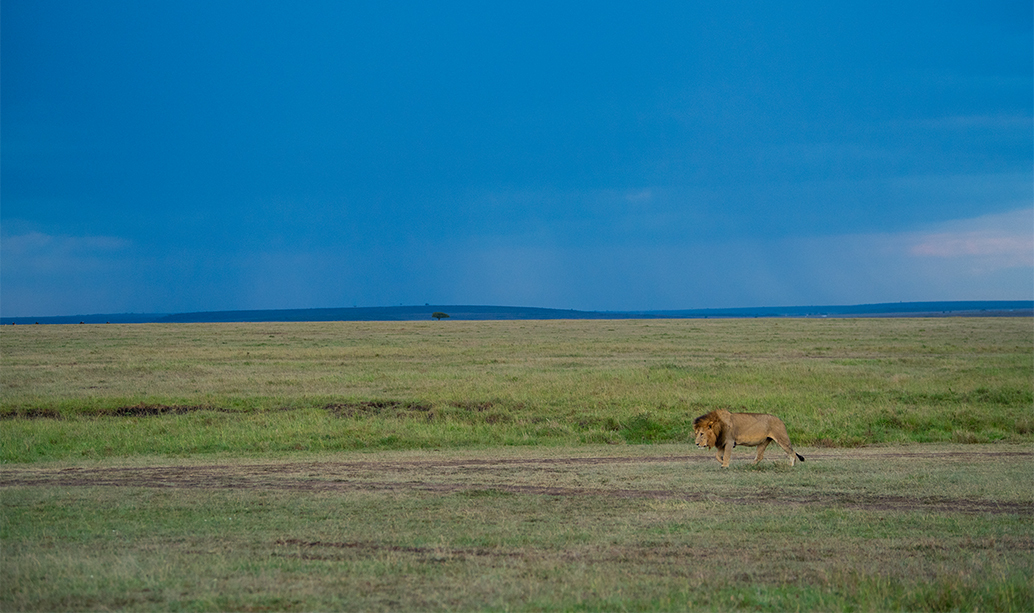
The beautiful Masai Mara is popular for its wildlife, attracting tourists from all over the world for exciting safari adventures. The Big Five, big cats, small cats, and all sorts of wildlife and birds thrive in this reserve. However, it is important to remember the complex ecosystem of Masai Mara that helps sustain and support the lives of these species. The variety of landscapes, habitats, plants, and even trees found in Mara plays an integral role in every animal and bird’s life.
The iconic landscape of Masai Mara
Before we dive into the various trees found in Mara, let us understand the stunning landscape of the reserve.
As far as the eye can see, the Mara is alive with the classic African savannas and golden grasslands. But, what catches the attention of the visitors are the dotted trees all over the reserve’s landscape, making Mara unique and different from the rest.
Masai Mara gets its name from the indigenous language of the Maasai people, the Maa language. While Masai refers to its people, the word ‘Mara’ means spotted, referring to the short, bushy trees dotting the plains when viewed from afar. This also implies that the flora of the reserve is extremely significant in preserving life.
Distinct trees found in Mara
Umbrella Thorn Acacia
A hot air balloon sailing peacefully in the sky against the backdrop of wildebeest species feeding and some huddling against the Umbrella Thorn Acacia trees, a typical picture you can capture in Masai Mara.
These trees are the most common and iconic trees that are found in Mara and the African savanna. They are recognizable due to their shapes which resemble umbrella canopies. They are the dotted or spotted famous trees found in Mara.

Umbrella Thorn Acacia grows in rocky African grasslands and can thrive in hard climates. The tree can grow up to 20 meters in height. It provides nourishment to various herbivores such as giraffes and elephants who feed on its leaves while zebras and various antelopes feed beneath it.
It is also one of the trees found in Mara that is of use to the Maasai people as they use its seeds to eat and make porridge. Its dried powdered bark is used for medicinal purposes to create disinfectant while its wood is used for building various goods of timber.
Whistling Thorn Acacias
Part of the acacia family tree, Whistling thorn acacias are trees found in Mara that are plentiful and widely spread. This tree has stunted growth, measuring just 18 meters tall. It is easily recognized due to its swollen thorns that are home to the aggressive Crematogaster ants. They live in hollow swellings or holes found typically at the base of the thorns.

The name of the tree comes from the whistling or hissing sound it makes when the wind passes through these swellings or holes. There is an interesting relationship observed between the ants and the whistling thorn acacias. The ants protect these trees found in Mara by stinging or biting animals who try to eat its leaves. These ants also prune off the flowers and branches of the trees to ward off enemy ant colonies. This in turn results in the tree secreting nectar from the end of their leaves that feed the ants.
Despite their stinging nature, the ants have allowed birds like superb starlings, grey-capped social weavers, and grey headed sparrows to nest on the trees. These ants also bite tree climbing predators like mongoose and snakes who try to destroy the birds’ nest.
Whistling thorn acacias are unique trees found in Mara that provide shelter to ants who in turn, not only guard the trees but help protect birds and their nests taking shelter.
Yellow Fever Tree
Yellow Fever Tree is yet another tree found in Mara, part of the acacia family, It is identified due to its yellow-colored trunk covered in fine dust. When its bark is rubbed, it reveals a green bark underneath. The trees grow between 10 to 25 metres long.

The name of the tree dates back to the European settlers in Africa who believed that the tree caused the Malaria fever. However, Malaria came from the surrounding low-lying wet areas which was the tree’s main habitat. Its roots are ironically used for Malaria treatments while the bark is crushed and aids in treating eye infections and fevers. It is one of the trees found in Mara that supports a wide range of animals. Its pods and leaves are eaten by herbivorous animals like giraffes, elephants, and monkeys. The flowers on the trees are preferred by insects like butterflies and bees for nectar. Various birds make good use of its thorny branches to set up their nests.
While yellow fever trees’ wood makes timber products, its spiky branches are useful to build live fences that help keep animals at bay.
Sausage Trees
Native to tropical Africa, this is one of the most remarkable trees found in Mara. With a sprawled crown, this tree can grow up to 20 meters tall. They are found in different habitats like woodlands, riverine areas, and floodplains.

The most distinctive feature of these trees found in Mara is the sausage-shaped fruits that grow on it. Sausage trees hang in clusters and can weigh up to 30 pounds. These are consumed by animals like elephants, monkeys, baobabs, hippos, giraffes, and even a few bird species like starlings and hornbills. However, the fruit is poisonous to humans when eaten ripe and so, the fruit is cooked and used in fermenting traditional African beer. Sausage Trees are useful in cosmetics and wood products.
Desert Date Tree
Also known as, “Balanites” or “soap berry tree”, this is a robust and drought-resistant tree, established in African and South Asian arid lands. These trees are highly valued for edible fruits along with its oil-rich seeds.
It is one of the peculiar trees found in Mara that produces oil from its seeds. This oil is carefully extracted and used for various purposes such as cooking, medicinal causes, and even cosmetics.
Considered as a highly significant food tree that also entails edible leaves has several amazing local uses as well. Desert Date Tree has supported wildlife, ecosystems, and local communities from a very long time, way before safari tourism has arrived.

A thorny, evergreen tree, the Desert Date tree can grow up to 12 meters in height. It appears in a slender form with long, green spines.
It produces yellowish-brown fruits that look similar to dates, consumed by many wildlife species including elephants and even birds like the palm nut vulture and grey sparrows. Desert Date Tree with rough bark and oval leaves, a resilient and useful species among the trees of Mara.
During the dry season when the availability of food is scarce, fruits of Desert Date Tree acts as the key source of nourishment. As it bears nutrient-rich fruits for many animals, the leaves and bark of the trees become an imperative source for the wild as well as the locals.
Croton Trees
Croton trees is a coloured leaf plant that are of approximately 20 feet in height and is considered as a significant source of biofuel, benefitting the rural economies of the region.
These trees are pretty well adapted to dry conditions, surviving in poor soils where many other plants usually struggle to survive. You will find them scattered all across the savannas, grasslands, as well as those woodland edges. Additionally, these trees play a very significant role in supporting the wild as well as the local communities.
Croton trees truly support life at every level of the food chain that surrounds the eco system as their wide canopies offer substantial relief from African sunrays, therefore offering cool resting spots for animals along with all the birds.
Another very important fact to know about Croton Trees is that it yields Croton seeds, leaves, and flowers that are eventually consumed by small insects, birds, and small mammals.
Vibrant cluster of trees: Forming the Ecosystem of Masai Mara
There are various other trees found in Mara that are equally important to the ecosystem of the reserve. As you walk or drive through the Mara, it’s easy to be swept away by the drama of its wildlife but pause for a moment, and you will notice that the trees, too, tell ancient stories.
From the shady canopy of the Umbrella Thorn to the peculiar pods of the Sausage Tree, each one plays a quiet yet vital role in this incredible ecosystem.