
How we build, how we operate, what we protect, and who we stand beside. The story of a camp that exists to leave the Mara better than it found it.
Ilora was built by a wildlife photographer and conservationist who understood that the most damaging thing a luxury camp can do is treat the wilderness as a backdrop — something to look at from a distance while consuming resources and generating waste within it. Every decision made in designing and operating Ilora was made with one question: does this serve the land, or does it cost it?
The answer shapes three commitments. To the land itself — how we build and operate. To the wild — the animals and ecosystems that make the Mara what it is. To the people — the Maasai communities whose home this has always been.

Ilora occupies thirty acres of land inside the Masai Mara National Reserve. Of those thirty acres, less than one percent carries any built structure. The remaining ninety-five percent is managed as habitat — not farmed, not landscaped, not developed. The trees, grasses, and natural vegetation that were here when the camp was designed are still here now.
Canvas and timber construction was not a design choice — it was a commitment. Materials that can be removed without trace. Structures that sit on the land rather than in it. A camp that will leave nothing permanent if it ever leaves at all.
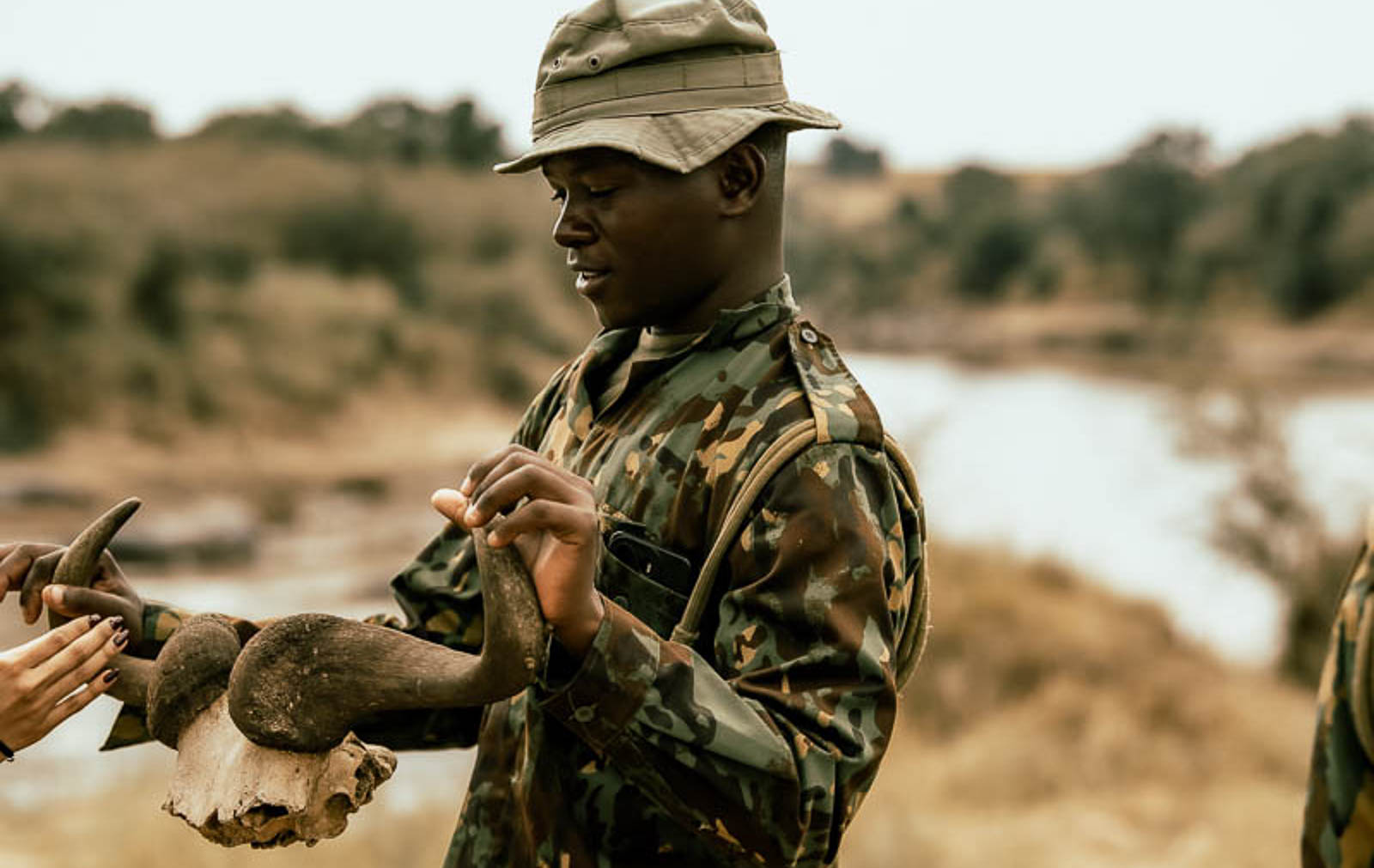
Conservation in the Mara is not an abstract commitment. It is fieldwork — rangers on the ground, researchers tracking individual animals, anti-poaching patrols at dawn, veterinary interventions for injured wildlife, community education that builds the next generation of local conservationists.
Ilora partners with three active programmes operating inside the Masai Mara ecosystem. A portion of revenue from every stay supports their field operations directly. Guests are invited to learn about the work through Rangers' Forum sessions, and to participate where they choose.

The Masai Mara is Maasai land. The communities that live on the boundaries of the reserve — and in many cases, within it — are its most important long-term protectors. When those communities benefit from the wildlife's existence, they protect it. When they don't, they have no reason to.
Ilora was built with this understanding from the first day. The majority of our team are from local Maasai communities. A portion of every stay funds specific community initiatives. And guests who choose to engage directly with the people of the Mara leave with something that no wildlife sighting alone can provide.
We are guests here — in the Mara, on Maasai land, inside one of the last great wild systems remaining on earth. Our obligation is to leave it better than we found it. We have made that obligation structural, not optional.
Staying at Ilora already contributes — a portion of every stay goes directly to our conservation and community programmes. But for guests who want to go further, these are the options. None of them require anything other than the intention to participate — simply speak to your concierge when you enquire, or once you have arrived.
Every night at Ilora funds the land, the wildlife, and the people that make this place extraordinary. The best thing you can do for the Mara is come.
Plan Your Stay