If you are even slightly into wildlife photography, then the Masai Mara needs no introduction. However, if you are wondering whether or not staying inside the Masai Mara Game Reserve makes a real difference, especially for your lens, the answer is a resounding yes. Here’s why pitching your base right in the heart of the action can transform your photography experience.

You are in the thick of it - All day, every day

You are in the thick of it – All day, every day

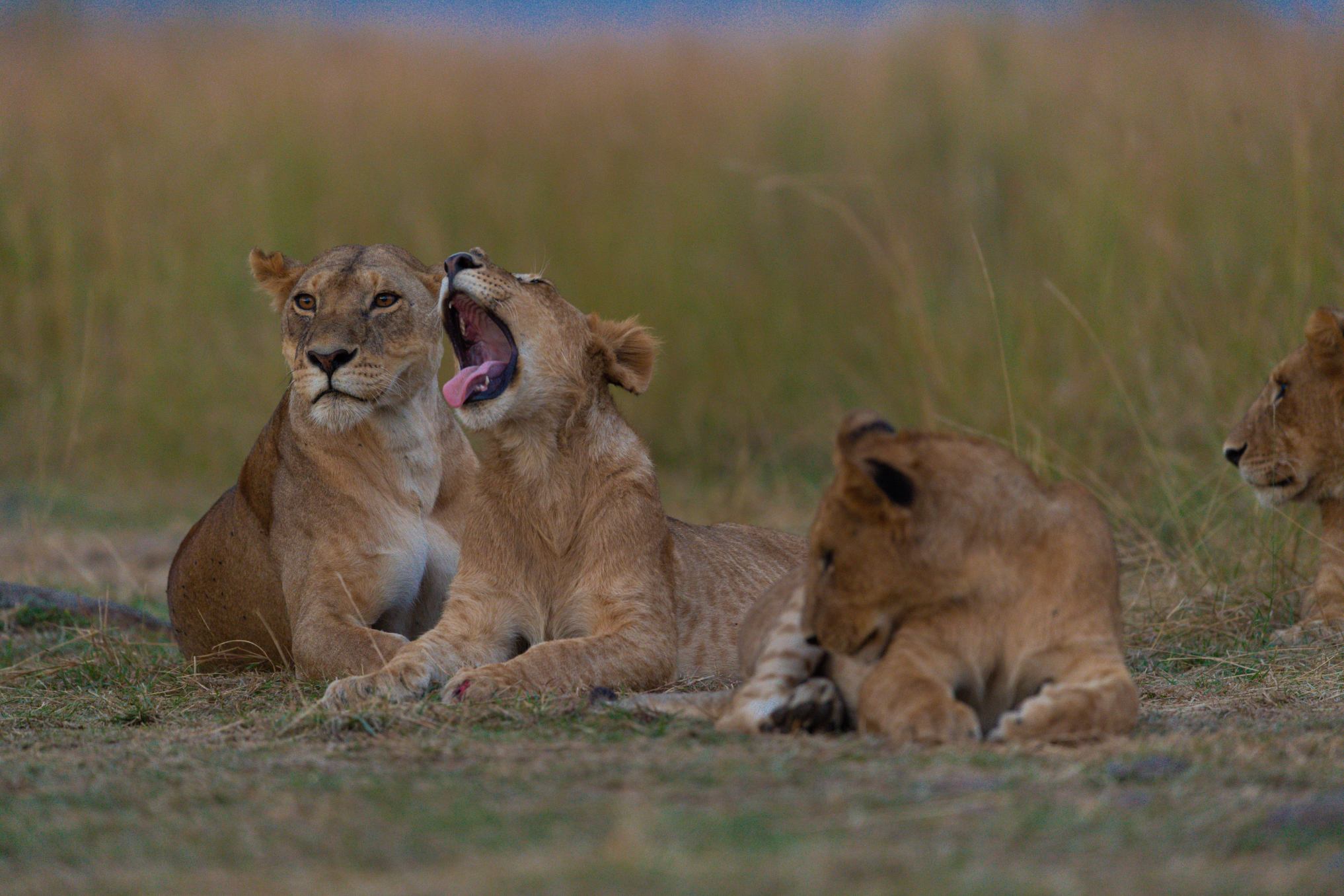
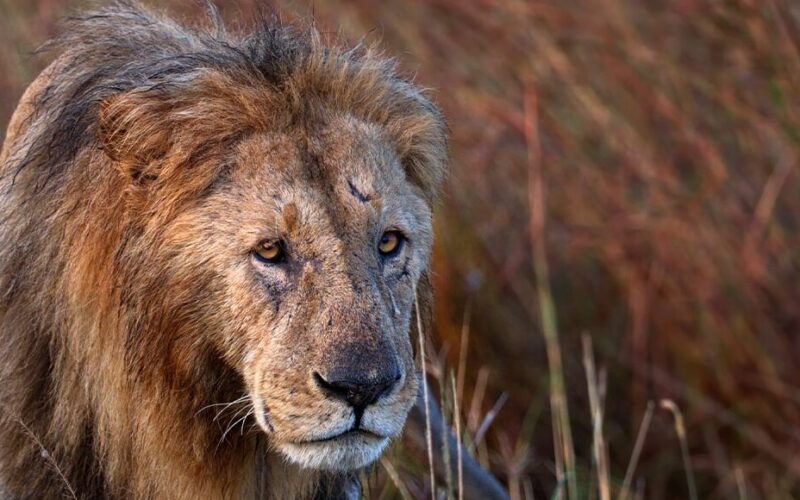
When your camp is located inside the Masai Mara Reserve, you are going to wake up to the sounds of roaring lions and grunting hippos, not honking cars or the buzz of tourist towns. 

By opting for this, you will be staying amidst the wild before most safari vehicles have even entered the gates. That means no waiting, no wasting time on transit. You are ready to catch the best light of the day, golden hour, when wildlife is most active, and the Mara is soaked in magical tones.

As a result, you will be surrounded by expansive savannahs, rolling hills, river crossings, wildlife, and the adventure that comes along with it. Entering the home of lions that belong to “Big Cat Diary” and witnessing the beautiful “Great Migration”, and Masai warriors are going to make your vacation an exceptionally enlightening experience.

Early access = Magic moments

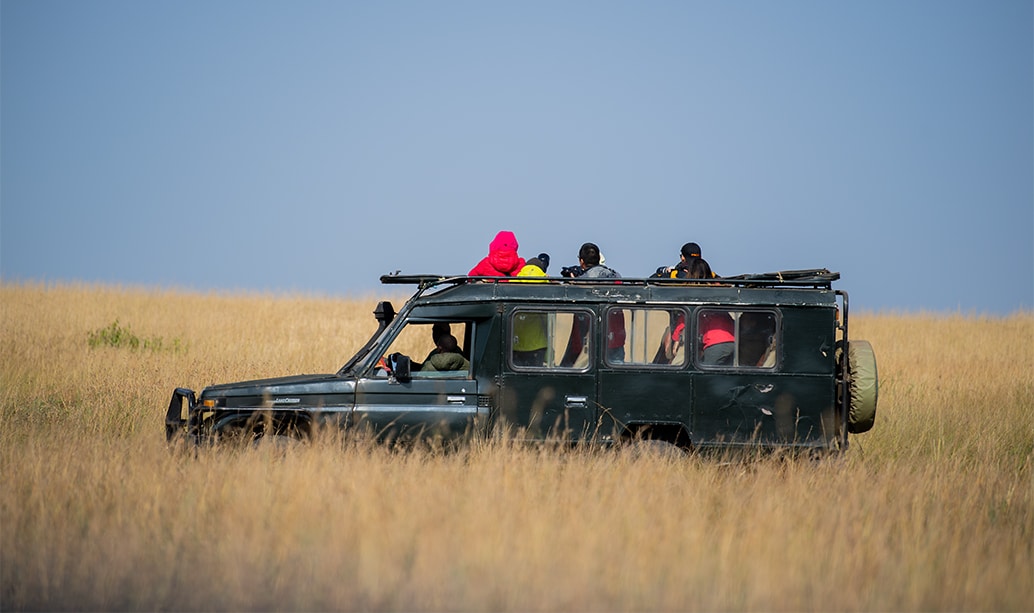
Photographers know the importance of timing. Animals tend to be most active during early mornings and late afternoons, when the light is also at its most flattering. Staying in a camp inside the reserve means you can start your game drive before others arrive and stay longer when others need to exit by gate-closing time. More time in the field = more chances for that once-in-a-lifetime shot.

Witness the raw, the rare, the real

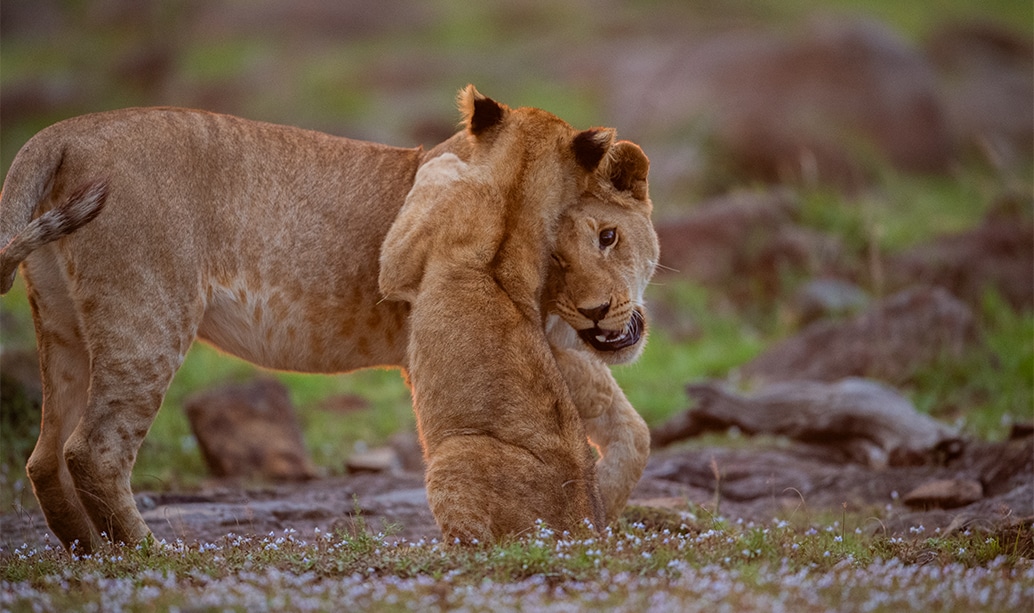
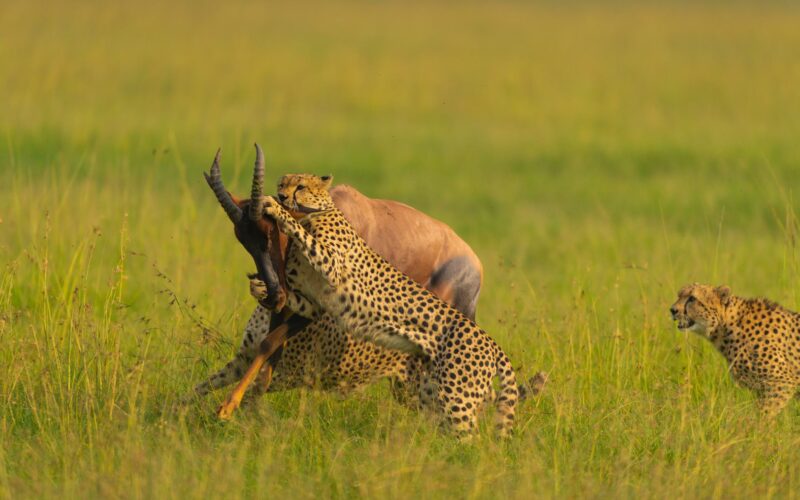
Whether it’s a pride of lions on a fresh kill, a cheetah sprinting through the grasslands, or a dramatic wildebeest river crossing during the Great Migration—being right inside the action zone gives you better odds. You are not chasing sightings; you are living them.

Photographic conditions that are just…Wow

The open savannahs, dramatic skies, and golden light create a dreamlike canvas for any photographer. Unlike forested reserves, the Mara offers clear sightlines, natural framing opportunities, and a horizon that goes on forever. You will not be just taking snapshots, but you will be creating art and creating lovely memories.

Expert guides who think like photographers

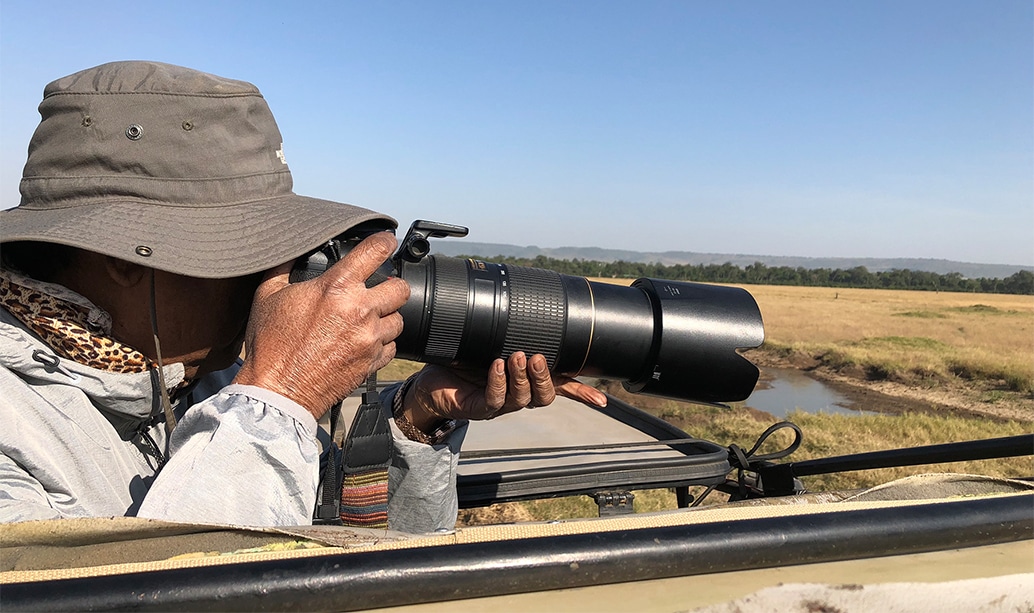
Most camps within the reserve, especially those that cater to serious photographers, employ guides who understand how to position the vehicle with respect to light, angles, and animal behavior. They are not just spotting wildlife but also setting you up for the shot.

Chance to customize your safaris

Camps inside the Mara often allow you to tailor your safari timings. Want to stay out all day with picnic meals so you don’t miss a thing? Prefer to wait hours with a leopard in perfect light? Here, it’s possible. You are not bound by rigid schedules.

One of the most fun parts of going on a safari is planning your safari. The Masai Mara has been established as a must-see destination for every safari traveler. 

Whether it is about observing those beautiful crystal blue skies, filled with an exotic and vibrant cluster of birds, or having that adrenaline rush as you experience unexpected encounters, the Masai Mara Game Reserve is your go-to place. 

Safaris in the Masai Mara offer the perfect opportunity for personal encounters on a thrilling jeep safari among lions, elephants, and other wildlife.

A living studio, right outside your tent

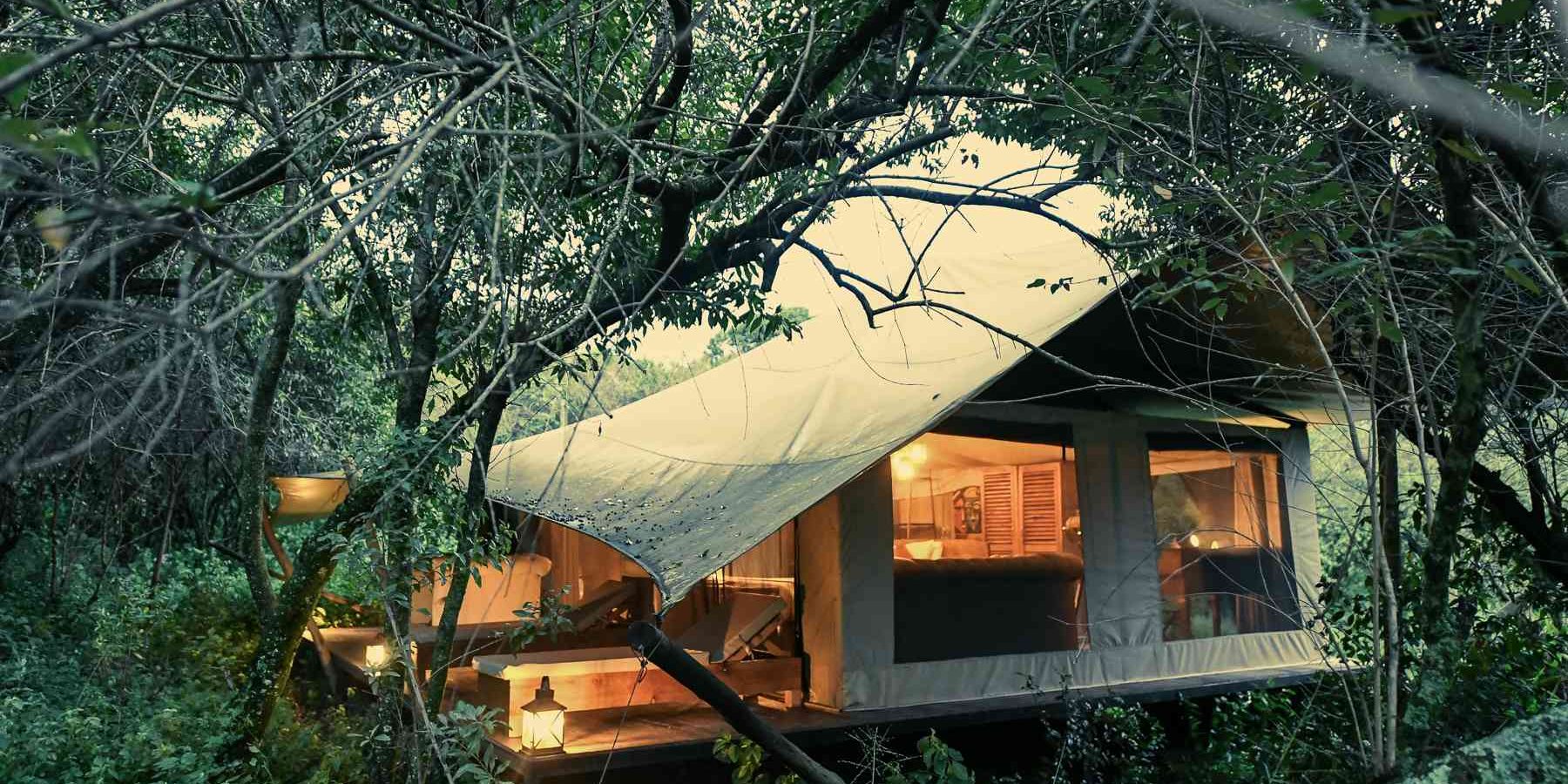
When the game drive ends, the photography doesn’t have to. Camps in the Mara often have wildlife wandering close by. Elephants can be spotted from the sky deck, birds flit through the trees around your tent, and if you’re lucky, you might even catch a leopard strolling near the gate. Even in moments of rest, the wild offers scenes worth capturing, no game drive needed.

The magic of wildlife photography in the Masai Mara 

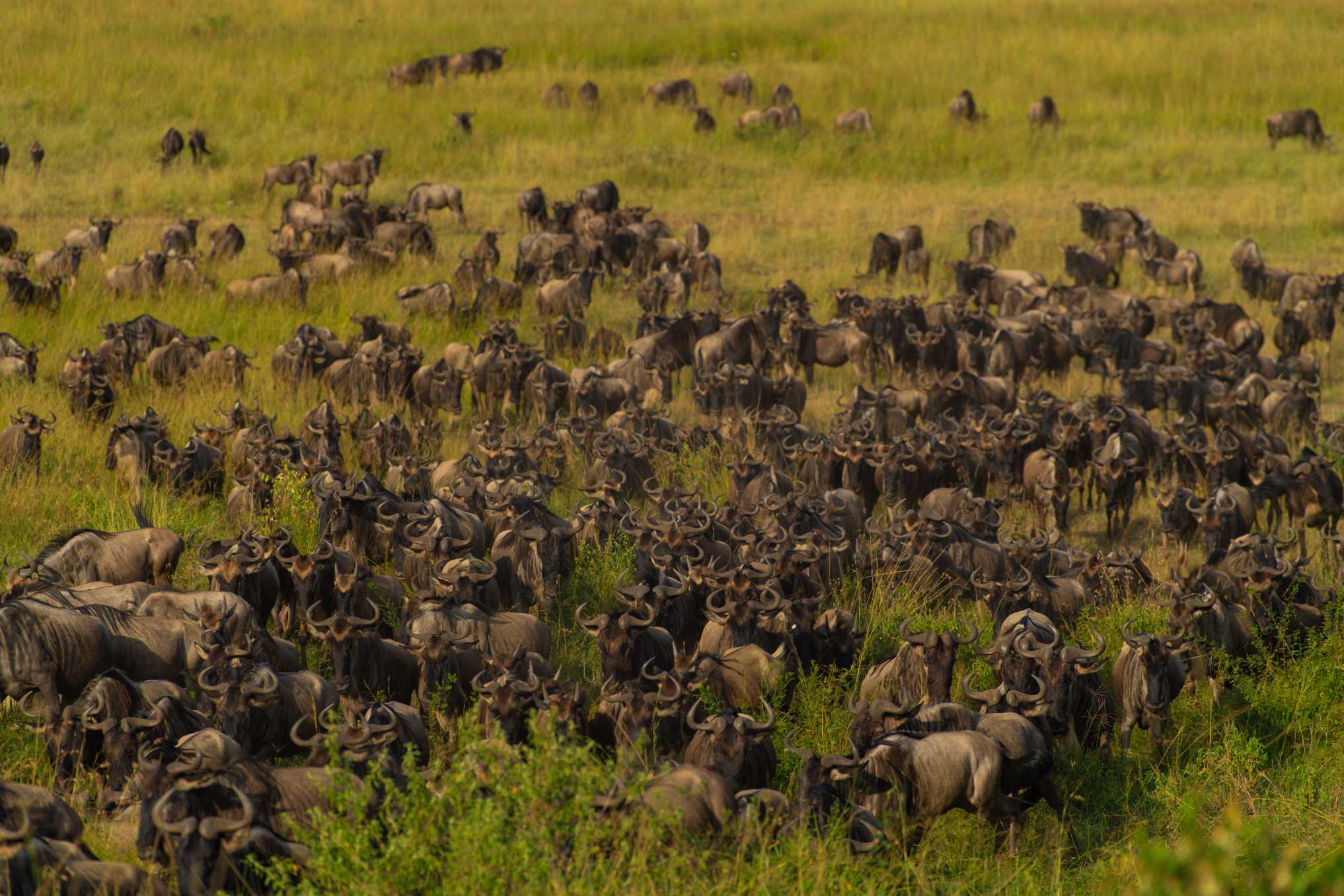
The Mara is famed for its abundance of wildlife species, from herbivores to predators. This reserve has been a favorite among the wildlife photographers because of the predator-prey dynamics witnessed here. Furthermore, the great migration, or the wildebeest migration, takes place annually at the Masai Mara. This event oversees millions of wildebeest and thousands of other herbivores like zebras and gazelles traveling to and from Mara and Tanzania’s Serengeti for pasture. This arduous journey is filled with obstacles such as hungry lions, leopards, and hyenas following them at every turn, as well as the deadly Mara River crossing filled with Nile crocodiles.  

The presence of over 450 species of colorful birds adds to the excitement of capturing the reserve behind the camera lens. Birds like lilac-breasted roller, secretary birds, distinct birds of prey, Kori bustards, and many more are spread in different parts of the Masai Mara.

Adding to the already beautiful reserve is its landscape, providing a picture-perfect backdrop for photographers. Classic African savannahs, iconic acacia trees, escarpments, craters, and other diverse landscapes make room for various types of shots to be captured in the reserve. 

The magic of wildlife photography in the Masai Mara 

When is the best season and time to photograph the Mara? 

The Masai Mara is a year-round destination, where each season brings out something new and refreshing. There’s no fixed season for photographers to visit the reserve, as it all depends on what you’re hoping to capture. Every season presents different photography opportunities. 

The dry season, also known as the migration season, takes place from July to October. During these months, the skies are clear, the weather remains pleasant, and the grass remains relatively shorter, making wildlife viewing easier. The wildebeest herd enters the Mara, and so, they are followed by predators waiting to pounce on them. During these months, chances of observing the dramatic Mara River crossing increase. Animals usually gather near watering holes to quench their thirst, providing ideal photography opportunities.

The rainy season or the wet season is marked from November to May. These months turn the dry landscape of Mara into lush, green vegetation against the dramatic skies. The crowds are fewer compared to the dry season, leading to better photography experiences. The rainy season also marks the calving season, witnessing the birth of wildebeest and zebra calves. However, it is important to remember that game drives may be shut down during heavy rains in April and May. 

When it comes to the optimal time to photograph in the reserve, the golden hours are ideal. Early morning safaris allow you to capture nocturnal animals returning to their homes as the sun rises. During late afternoons, closer to sunset time, animals against the horizon provide ethereal pictures. 

Staycation: Masai Mara National Reserve v/s Private Conservancies

One prominent question that most travelers usually ask is whether residing in the Masai Mara National Reserve is better than residing in the Masai Mara Conservancy.

The answer to this is yes, and I will cite some reasons in the following list, which will explain why you should choose to book your stay in the Masai Mara National Reserve and not anywhere else.

1. Masai Mara Reserve is open as well as easily accessible to the public, 24*7. Thus, you can begin an early morning safari, way before sunrise, and can stay outside until park closing hours. This eliminates any kind of worry about getting back to explore another zone.

Moreover, residing here will offer you the utmost opportunity to relish the Wildebeest Migration between July and October, minimizing the long transit time.

On the other hand, if you choose to stay at a private conservancy, to enter the Masai Mara Reserve, you are required to pay a separate fee and adhere to the gate timings, where you need to return before the gates of the conservancy close.

2. Moreover, the Masai Mara Reserve can accommodate a larger number of guests at a time.

On the other hand, private conservancies can accommodate a limited number of guests at a single time.

3. At the Masai Mara National Reserve, there are chances for both day and overnight visitors to be accommodated.

However, most of the private conservancies do not allow daytime trips, meaning that visitors can only take day trips into the Reserve if they wish.

4.. There are diverse kinds of accommodations present in Masai Mara Reserve, ranging from basic camps to some very exquisite luxury options, which makes it a highly flexible option for all travellers.

In contrast, properties established within private conservancies offer a more customized experience, featuring luxury amenities, catering to the aspirations of a limited number of travelers.

5. Masai Mara Reserve entails expansive landscapes with no boundaries existing between the wildlife zones. Additionally, you can even explore iconic areas such as the Mara Triangle, the Talek region, and the river circuits without any rigidity.

Whereas, private conservancies are smaller than the reserve and fenced or boundary-controlled. While they offer an exclusive but also limit movement to a particular area, which might reduce wildlife sightseeing during certain seasons.

Masai Mara Game Reserve The Real Blessing For Nature Lovers

Masai Mara Game Reserve: The Real Blessing For Nature Lovers

If wildlife photography is more than just a hobby for you, if it’s a passion, a pursuit, or simply the way you connect with nature, then staying at a camp inside the Masai Mara Game Reserve isn’t just a luxury. It’s a smart decision, something that turns your safari into a full-blown photography expedition.

The Masai Mara emerges as one of the most popular wildlife avenues at a global level, deemed as “one of the world’s eight wonders”. Moreover, the Masai Mara is enclosed by magnificent plains with breathtaking views of the wildlife.