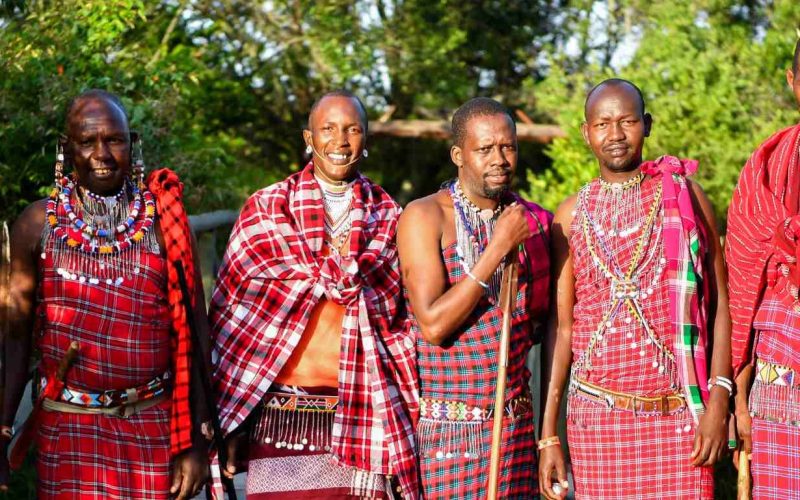
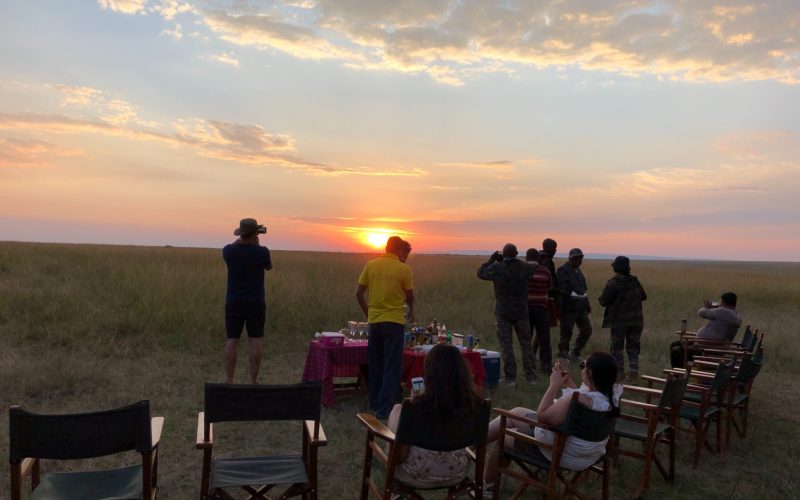
Most guests are unsure about a village visit before they go, and glad of it afterwards. The uncertainty is reasonable — done badly it is a photo stop with a fixed fee. Done properly it is the most interesting afternoon of the trip. This is what ours involves.

Who you are meeting
The Maasai have herded cattle on this land for around four centuries, and still do. Semi-nomadic, organised into age sets and clans, and among the very few communities in East Africa to have held a pastoralist life together through a century of pressure to abandon it.
They are also the reason the ecosystem still works at its present size. Wildlife moves freely across Maasai land outside the reserve because families chose to keep that land open rather than fence and farm it. Many of the guides and rangers working in the Mara — including ours — come from these communities.
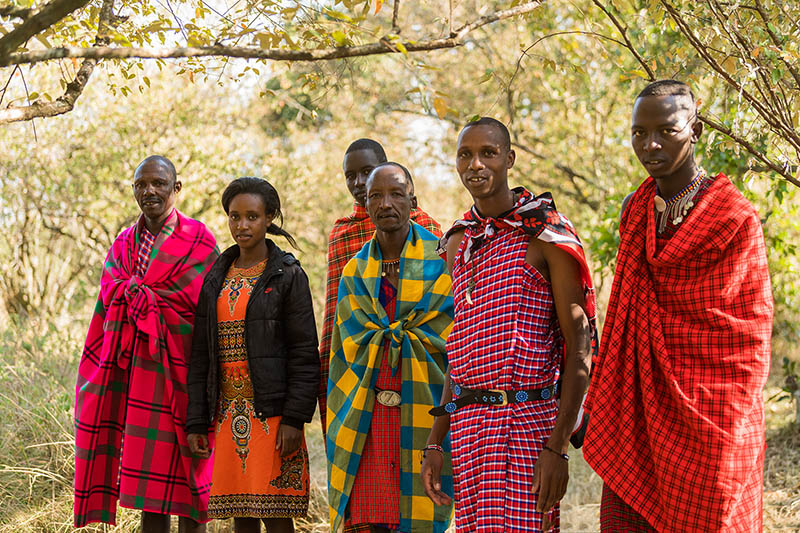
Arriving
You go with a guide from camp who knows the family and translates. There is usually singing at the gate, and you will be pulled into it whether or not you can hold a tune.
Then someone takes you inside a home. They are low, built by the women from timber, mud and dung, and darker and cooler inside than you expect — which is the point, in a place that reaches the mid-thirties by noon. You sit down. You ask questions. It stops feeling like a visit quite quickly.

Cattle, and how wealth is counted
Cattle are the centre of everything: food, currency, status, the reason for moving when the family moves. A man’s standing is measured in cattle and children together, and the balance matters. Many cattle and few children is not considered wealth. Neither is the reverse.
Ask about this and you will get a long answer. It is the fastest route into how the whole society is organised.
What you will see
Beadwork
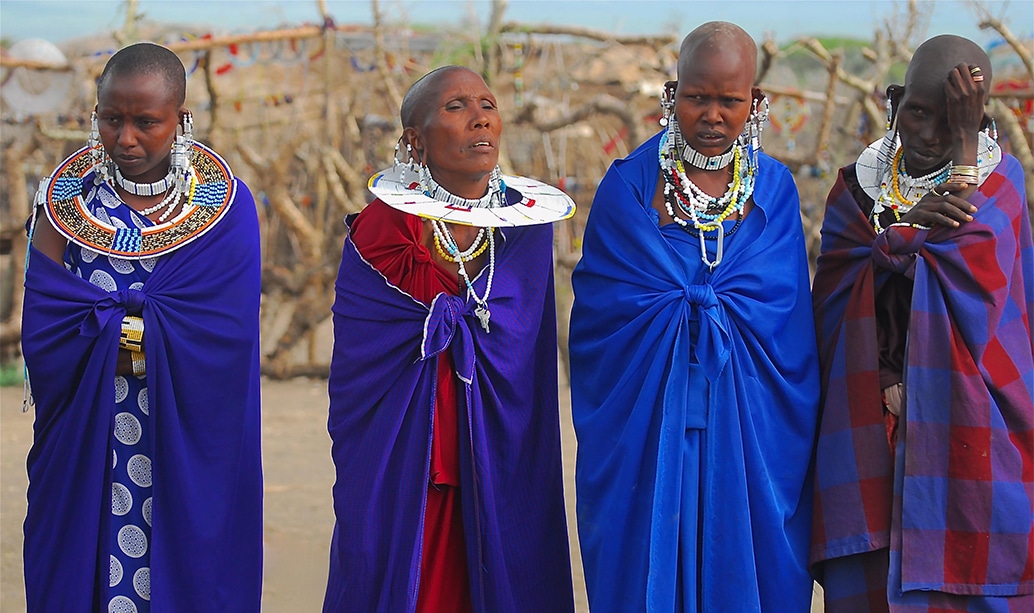
Made by the women, and not decorative in the way it looks. Colour and pattern signal age, marital status, social standing and occasion — a whole register readable at a distance by anyone who grew up with it. Watching a piece being made, and having the colours explained, is where most of the real conversation happens.
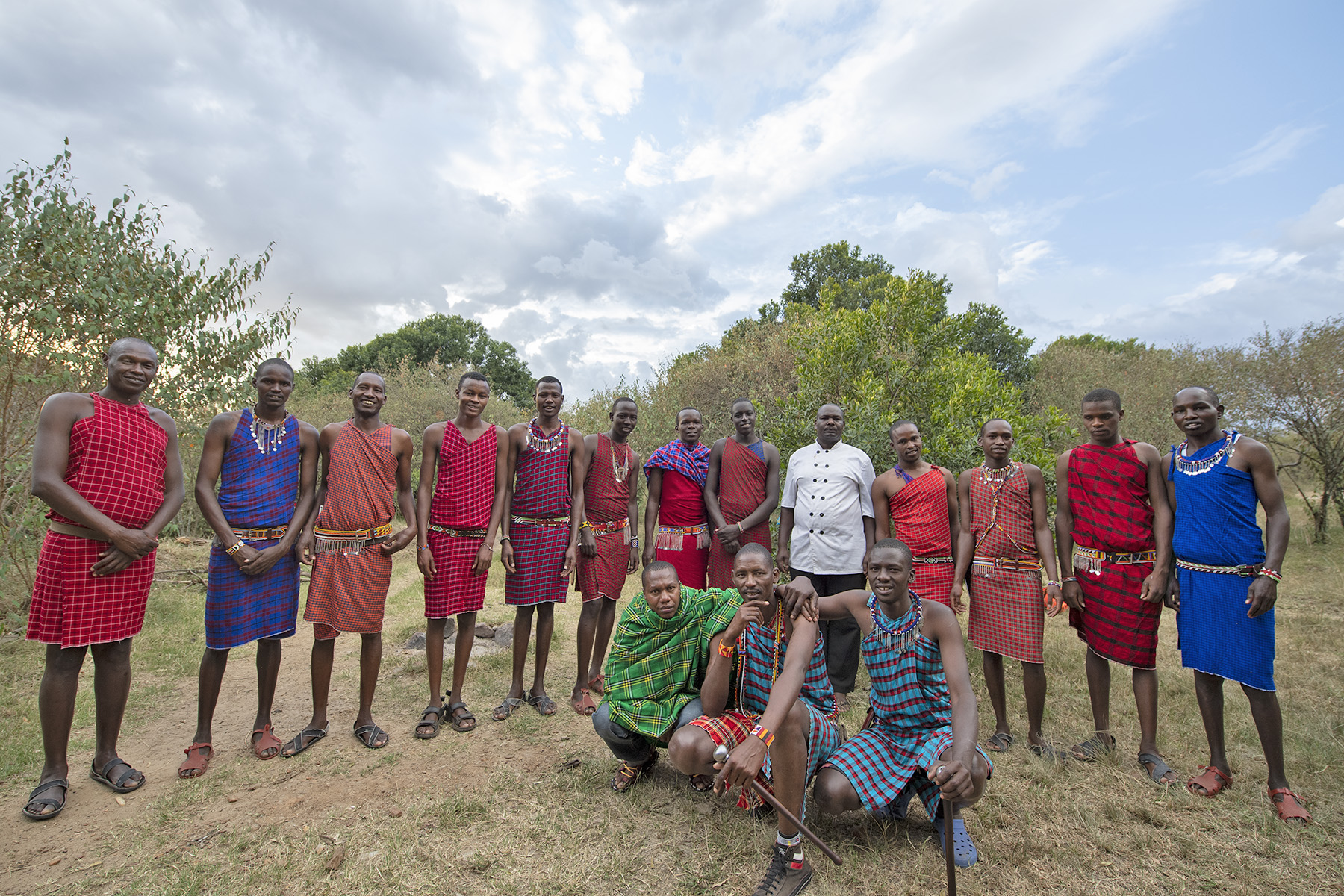
Shukas
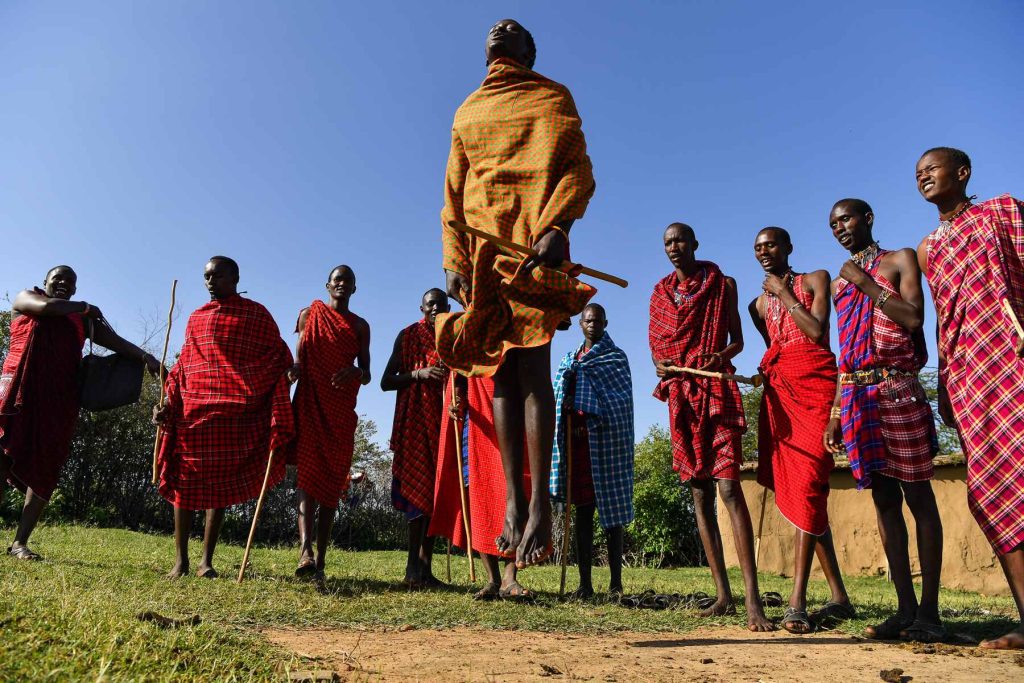
The red cloth is the thing everybody photographs. Red for courage, with blue, green, yellow and pink worked through the plaid and stripe patterns. Practical too — visible across a long distance of grass, which matters when you are moving cattle.
Distinct Clothing
The morans
Young warriors, and a formal stage of life rather than a job. Boys go through a long period of training and isolation, learning to survive and to handle livestock and predators, and emerge at the Eunoto ceremony as men. Long braided hair, red shuka, spear, club.
Adumu
The jumping dance, performed to chanted rhythm rather than drums. Height signals strength, the chanting drives it, and you will be invited to try. You will not be good at it, and that is part of the afternoon.
Fire, and spears
Fire made by hand with a stick and a board, which takes less time than you expect from someone who has done it since childhood. Spear-throwing with a blunted shaft. Both are genuinely difficult and children take to them faster than adults.
Storytelling
Knowledge here is oral. Elders hold the history, the law, the survival craft and the folklore, and pass it on by telling it. If you are in camp on an evening when someone comes to tell stories at the fire, stay for it.
Where the money goes
Directly to the community, which is the only arrangement worth taking part in. It funds school fees, clinic costs, water and infrastructure, and gives the community standing when land rights are negotiated. Beadwork sales are often a woman’s first independent income.
Buy from the person who made the piece rather than a middleman. If you would rather not buy anything, say so politely — nobody will mind.
The practical part
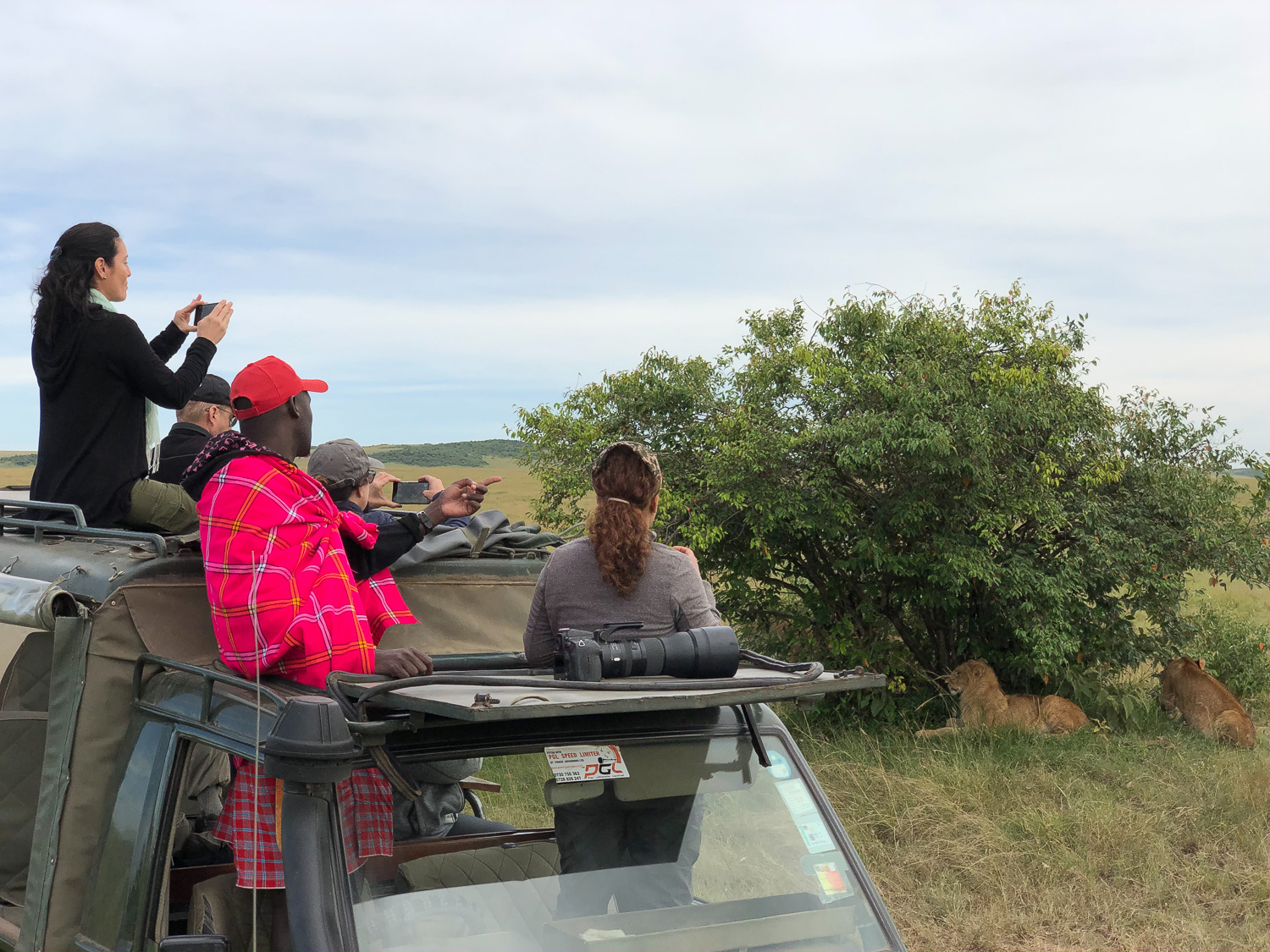
Ask before photographing anyone, and accept a no. Dress modestly. Ask real questions rather than confirming what you arrived thinking. Allow two to three hours; rushing it is worse than not going.
Our visits are arranged with the community whose land the camp sits on, on terms that do not change from guest to guest. We are happy to explain exactly how it works before you decide.