The Mara is a year-round reserve. Resident game does not leave, the predators do not migrate, and there is no month in which a three-night stay fails to deliver. What changes with the season is the grass, the light, the crowd and the price — and for most guests, those matter more than they expect.
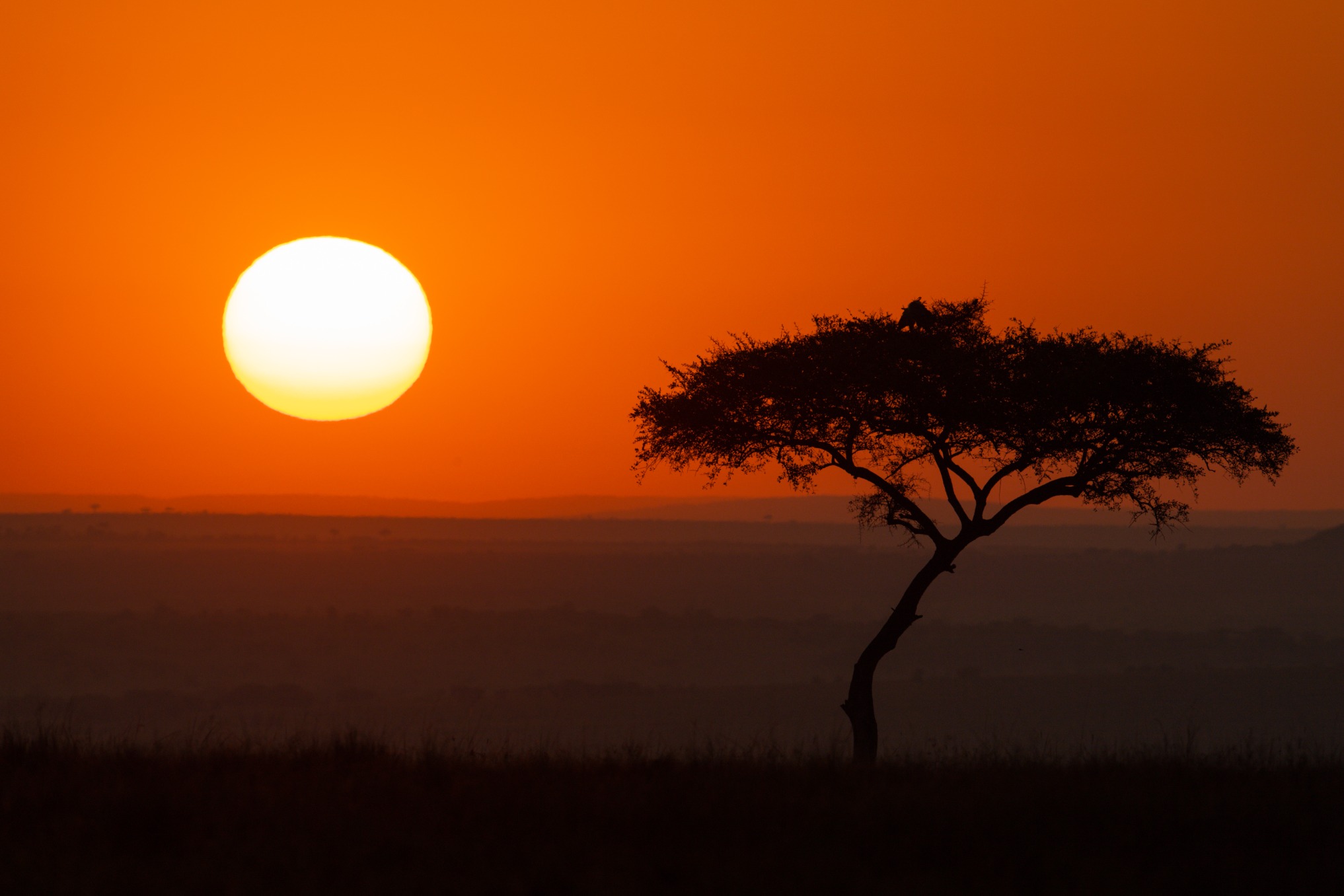
Two things drive all of it. The first is rain, which comes in two seasons here — the long rains in April and May, the short rains in November and December — and which determines how tall the grass is and where the water sits. The second is grass height, which is the single best predictor of how easy your safari will be. Short grass means you can see; long grass means the cats can.
June to October — the dry season
The grass is short and the plains are gold. Water is scarce, so animals concentrate on the rivers and remaining pools, and visibility across open ground is at its best of the year. This is the easiest safari the Mara offers.
It is also when the migration arrives. From around July the herds cross north from the Serengeti, and the Mara River crossings run through to October, with August and September the most reliable.

What almost nobody mentions is that the herds start arriving earlier than that, and from a different direction. A separate wildebeest population breeds on the Loita Plains to the north-east and moves down into the reserve as its own grazing dries out — often from May, usually well established by June. They are in the Mara weeks before the Serengeti animals, and they leave again when the short rains break. If you want herds on the plains without the July to September crowd, late May and June is the window almost nobody books.
Predator activity in the dry season is at its most visible, for a simple reason: concentrated prey and open ground. Lion prides contract onto the water, cheetah work the short grass where they can see and run, and hyena clans are active enough that a night in camp is rarely quiet.
The trade is people and price. Peak season fills the good camps twelve months ahead, rates are at their highest, and at a well-known sighting in the main reserve you will not be alone.
Pack for cold mornings — an open vehicle before six is genuinely cold — and hot middays. Neutrals, a hat, sunscreen.
November and December — the short rains
Short, heavy afternoon storms rather than steady rain, and the plains green up within days of the first one. Skies are dramatic and the light after a storm is the best of the year.

Migratory birds arrive from Europe and Asia, roughly doubling what you can see in a morning: white storks, European rollers, Eurasian bee-eaters, steppe eagles, lesser kestrels, harriers quartering the grass, red-backed shrikes on every second bush. Alongside them come the intra-African migrants that move with the weather rather than the calendar — Abdim’s stork, known across the continent as the rain bird, and woodland kingfishers that announce their arrival loudly enough that you will ask what they are.
The best single hour of the Mara year happens in this season and lasts about that long. After the first proper rain, termite alates come off the mounds in their millions for one evening, and every stork, roller, bee-eater, kite and hornbill within range converges on the hatch. Nobody can predict the date. If you are here when it happens, you will not forget it.
Camps are quiet and rates drop. Roads are still good — the short rains fall in bursts and drain — which makes this the best value month-for-month in the calendar.
January to March — hot and dry
Clear, hot and settled. Excellent general game viewing, cats with young cubs, and superb birding while the migrants are still here.
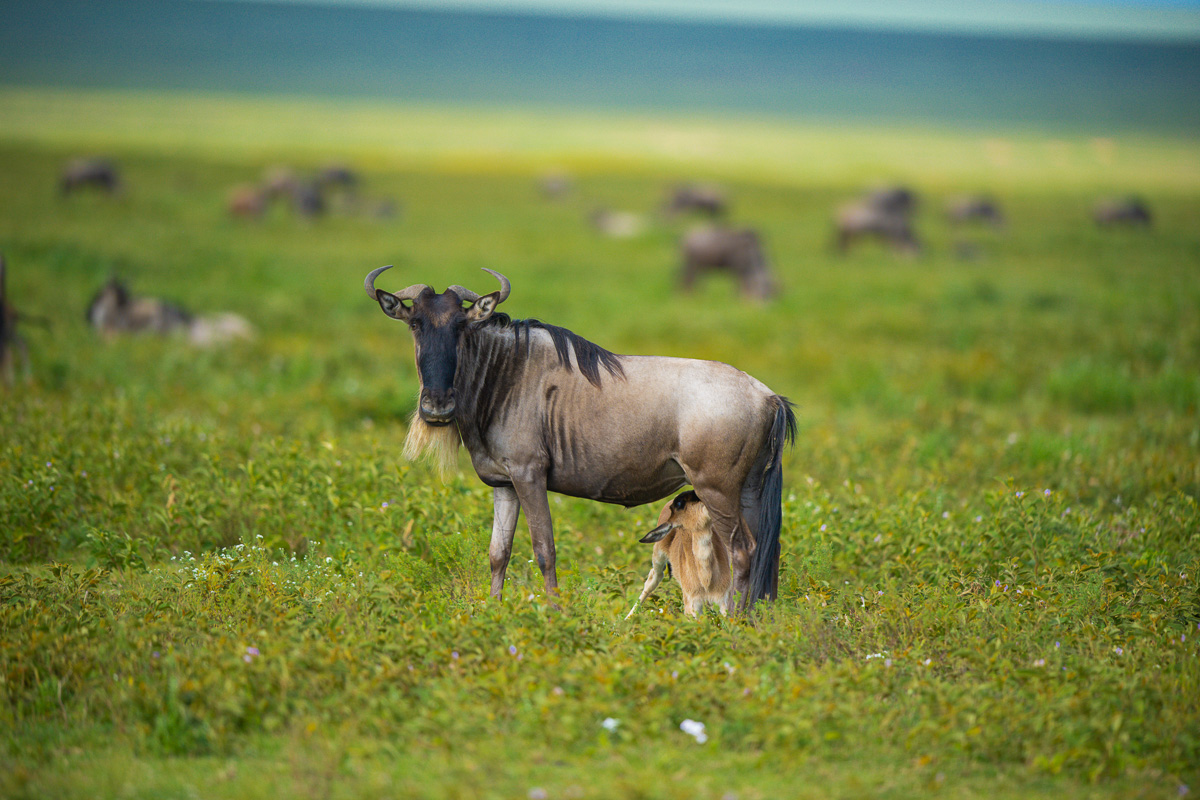
The Mara’s resident antelope — topi, Thomson’s gazelle, impala — drop their young around now, which brings predictable predator activity. Note that the wildebeest calving everybody talks about happens over the border in the southern Serengeti, not here. If that is what you have come for, you want Tanzania, not Kenya.
This is quietly the best window for photography of cats. Cubs are out and mobile, the light is clean, the grass is still short enough to see through, and the vehicle pressure is a fraction of August. Photographers who come in February tend to come back in February.
March is the transitional month and the hardest to call. Some years it stays dry to the end; some years the long rains start early and the grass is up by the third week.
April and May — the long rains
The greenest the Mara gets, the emptiest, and the cheapest. Wildflowers, high grass, and the fewest vehicles you will ever share a sighting with.

The cost is real: rain most days, roads that become difficult, and some camps closed. Long grass makes cats harder to find. If you are flexible and do not mind mud, it is the most private time to be here.
Two things make up for the difficulty. The first is that this is when the plains are at their most beautiful, and photographs taken now look nothing like the gold-and-dust images everyone else brings home. The second is that a sighting in May is yours — you will sit with a leopard for an hour and never see another vehicle, which in August is simply not available at any price.
May is also when the Loita herds begin moving in, which means the last week of the long rains can deliver green plains, dramatic sky and wildebeest at the same time.
What does not change
Lion, leopard, cheetah, elephant, buffalo, giraffe, hippo and the plains game are resident and present every month. So is the birdlife — more than 450 species, of which the bulk stay all year.
What the seasons change is not whether the animals are here. It is how easily you see them, how many people are watching with you, and what you pay.
Choosing
Work backwards from what you actually want, not from the calendar.
If you want the river crossings, come in August or September, book a year out, expect company at sightings, and stay at least four nights. Two nights is a gamble on an event nobody can schedule.
If you want big cats and photography, come in January or February. Short grass, cubs, clean light, few vehicles.
If you want birds, come between November and March, when the Palearctic migrants are in and the resident species are breeding.
If you want the plains to yourself, come in April, May or early June. Accept the mud, take the privacy.
If you want the best value, come in November. The rains are short and drain fast, the light is the best of the year, the birds have arrived, and the rates have not.
If you have no constraints at all, come in late June. The grass has come down, the Loita herds are in, the crowd has not arrived, and the rates have not yet peaked.
There is no wrong month here. There is only the trade between how easy it is to see, how many people are seeing it with you, and what it costs — and once you know which of those three you care about, the answer picks itself.
Unrushed. By nature.