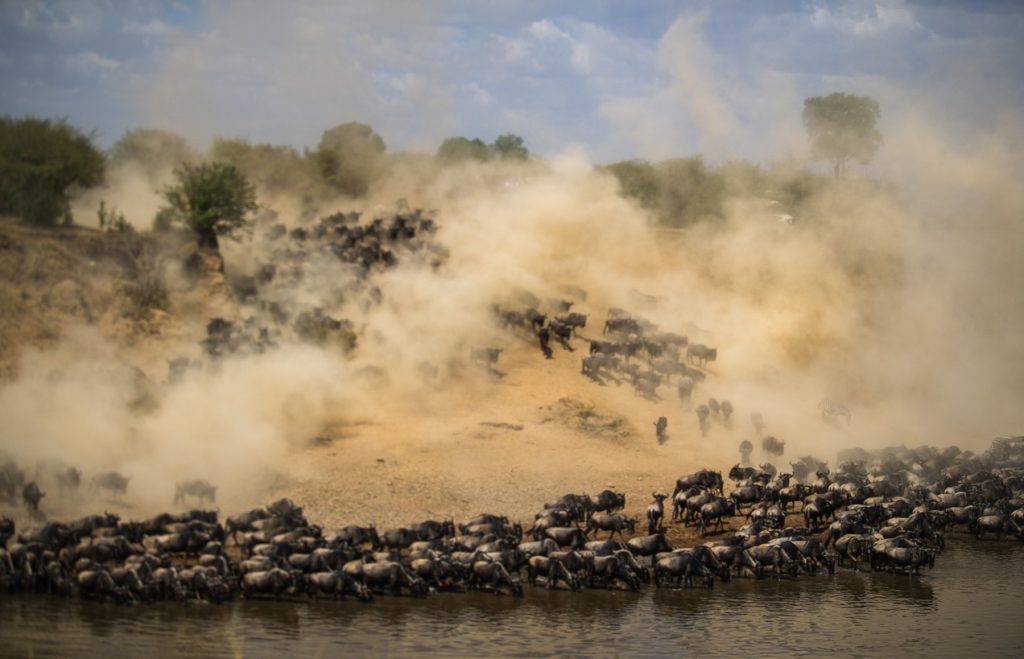
Most people come to the Masai Mara between July and October. They come for the migration, and they are right to: the river crossings are the most dramatic hour in African wildlife. What they also get is the busiest reserve of the year, peak rates, and, at the popular sightings, a line of vehicles.
If that is not the trip you want, the Mara has four other months that are quieter, greener, cheaper, and, for resident game, no worse.
Why the Mara fills up
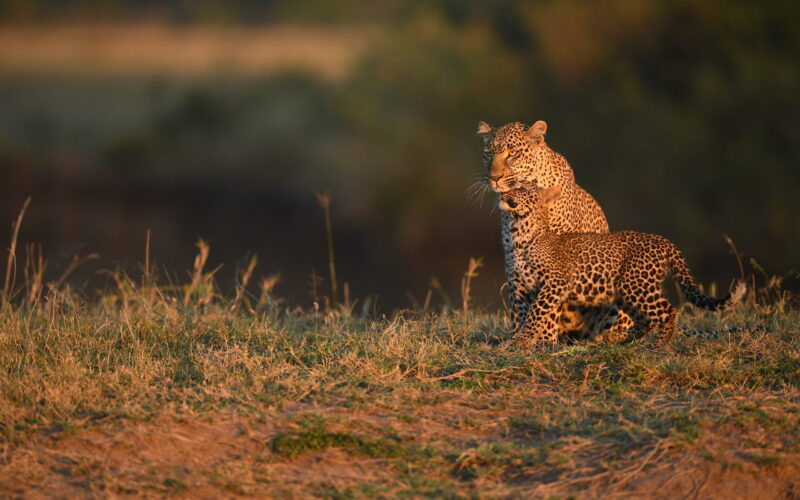
The reserve covers 1,510 square kilometres in southwestern Kenya, and the concentration of large predators is among the highest in Africa. Lion, leopard, elephant and buffalo are close to routine here. Black rhino are present but scarce, and nobody should promise you one.
Add the migration, and demand collapses into a ten-week window. The pressure is not evenly spread: it falls hardest on the reserve’s southern and eastern edges, near the gates, where day visitors and camps outside the boundary converge. Deeper in, in the central Olkiombo, the arithmetic is different.
The quieter months
November and December. The short rains. Brief afternoon storms rather than steady rain, and the plains turn green within days. Migratory birds arrive from Europe and North Africa, which makes this the best birding of the year. Cats have cubs. Camps are quiet.
April and May. The long rains, and the greenest the Mara gets. This is the emptiest the reserve will ever be, and rates are at their lowest. The roads are harder and some camps close. If you do not mind mud, the light after a storm is worth the trip on its own.
The first half of June. The rains have eased, the grass is still high, and the herds have not yet arrived. Dry ground, green landscape, almost nobody there.
What you actually give up
Honestly: the crossings, and some visibility. Long grass makes cats harder to find, and a wet morning can cost you a drive.
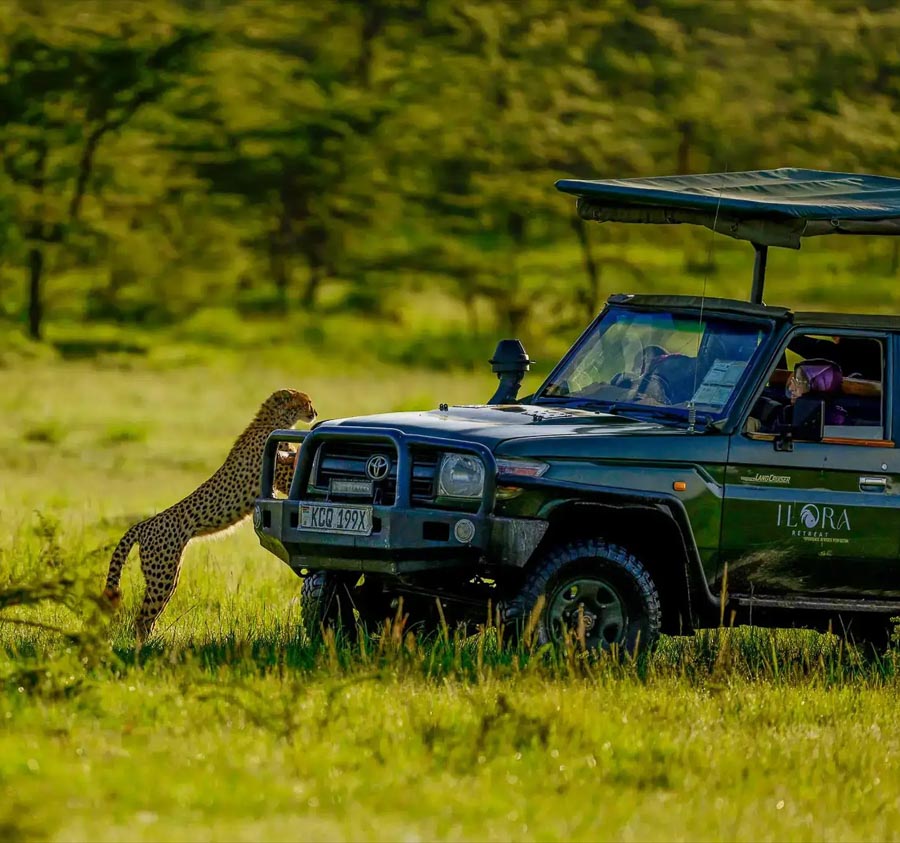
What you do not give up is the wildlife. Lion, leopard, cheetah, elephant, giraffe and buffalo are resident and do not leave with the wildebeest. Nor do the hyena clans, the topi, or the hippo in the river. In November and December the resident predators are noticeably more active, and with fewer vehicles the animals behave differently — they move at their own pace rather than around an audience.
The Mara is also one of the few places in Kenya to see the Madagascar pond heron, which winters here between October and May.
What we would tell you if you asked
If you have never been to Africa and the migration is the reason you are going, come in August or September, book twelve months out, and stay somewhere central.
If you have been before, or you care more about a leopard with the engine off and no one else in sight, come in November, or in April, or in early June. It is a different trip and, for most guests who have done both, the better one.
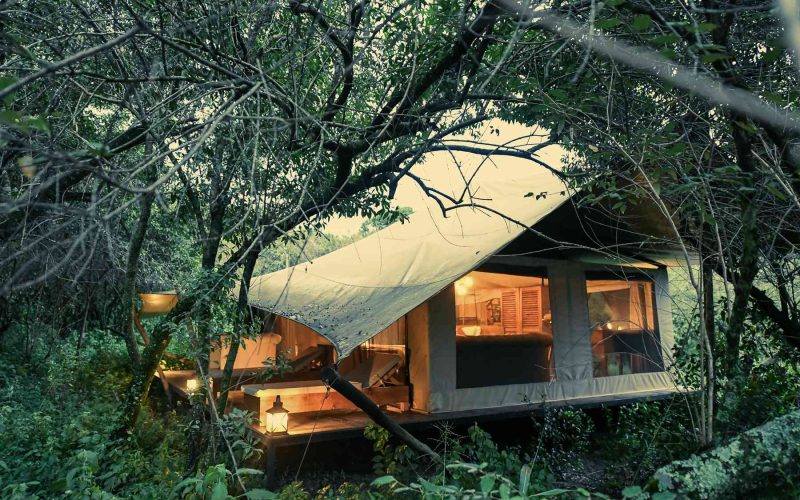
Either way, where you sleep matters more than when you come. A camp inside the reserve puts you with the game at first light. A camp beyond the gates spends your first hour driving to it.