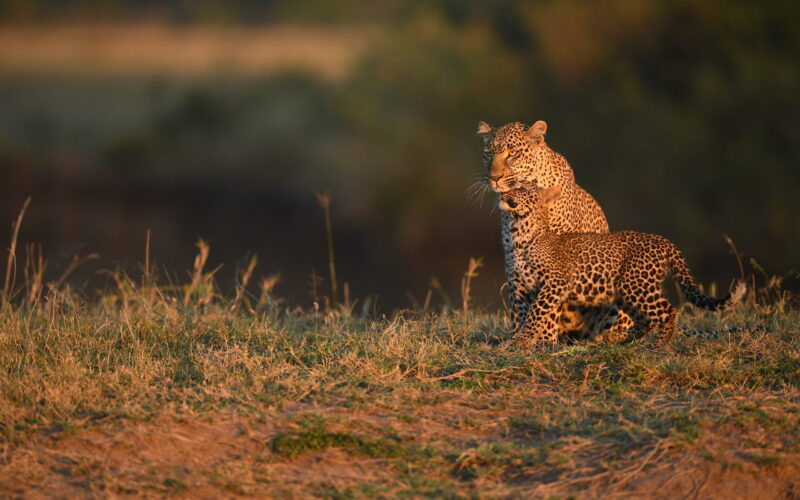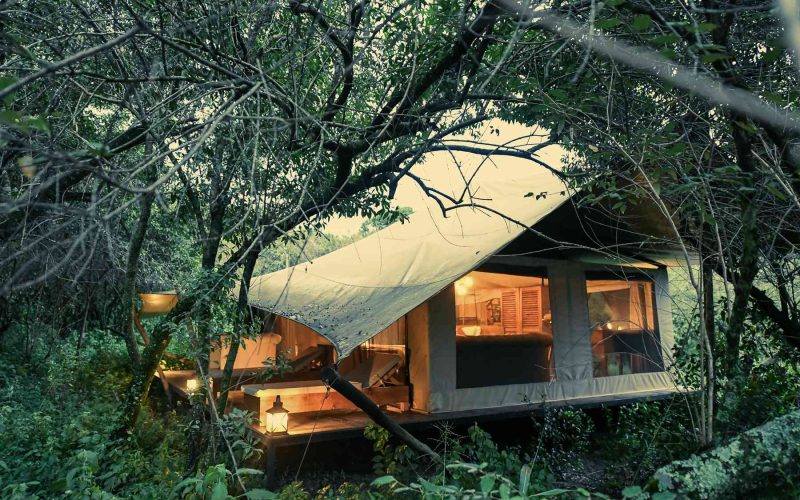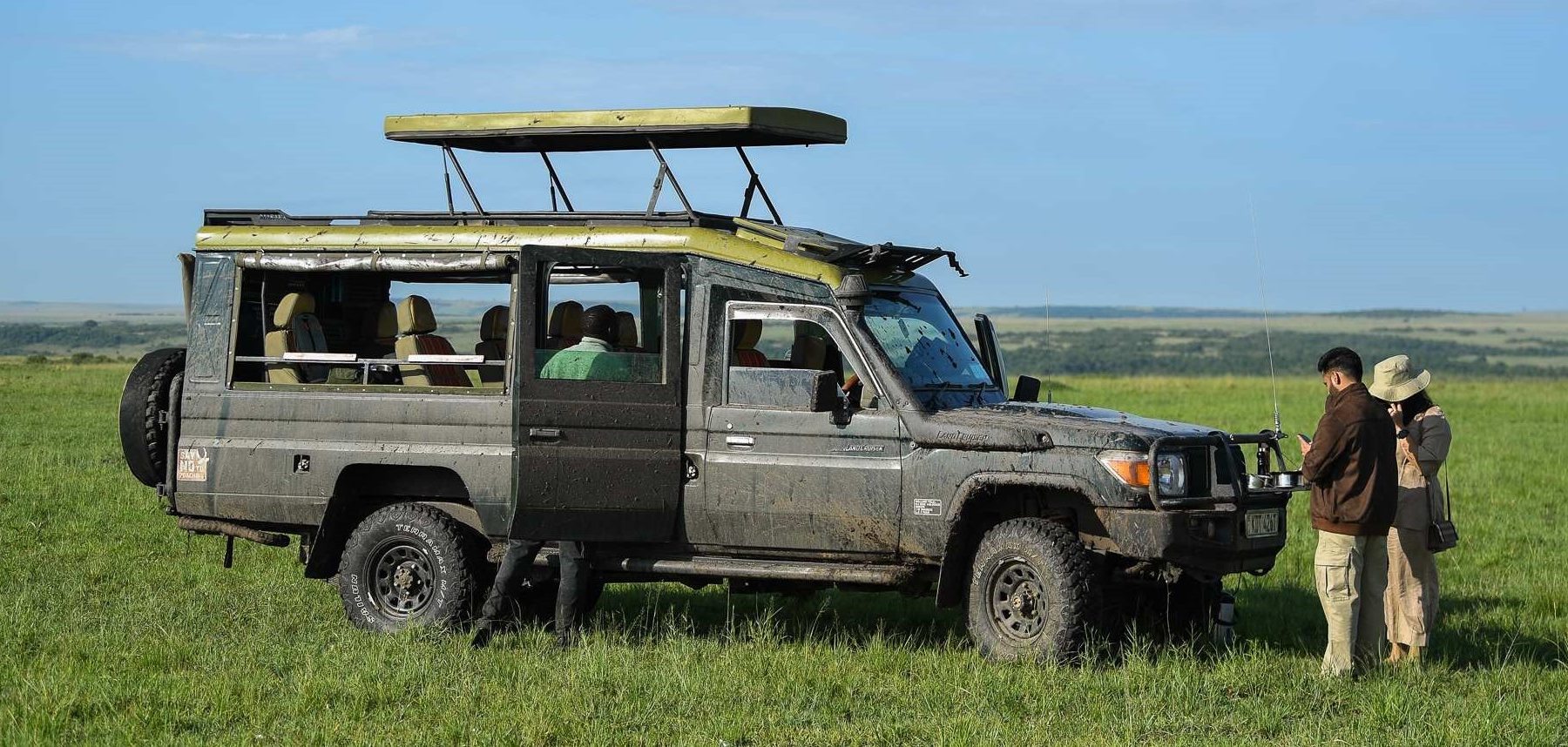
Nothing on a game drive is scheduled. Zebra graze; the plain is quiet; and then a cheetah comes out of the grass forty metres away and the morning belongs to something else entirely. That is the whole appeal, and it is also why two drives on the same ground are never the same drive.
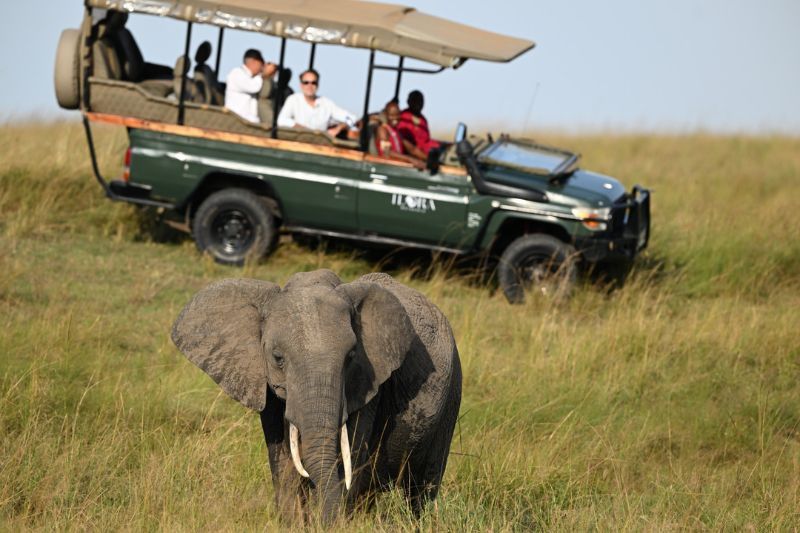
The guide is the variable
Everything else — the vehicle, the ground, the season — is roughly equal between camps. The guide is not.
A good one reads the plain rather than scans it: the direction a topi is facing, the alarm call of an impala half a kilometre off, vultures dropping in a line. They know the individual animals, which pride holds which territory, which female has cubs and where she has hidden them. They will tell you what a roar at two in the morning meant, and they are usually right.

They also know when to switch the engine off and wait, which is the harder skill.
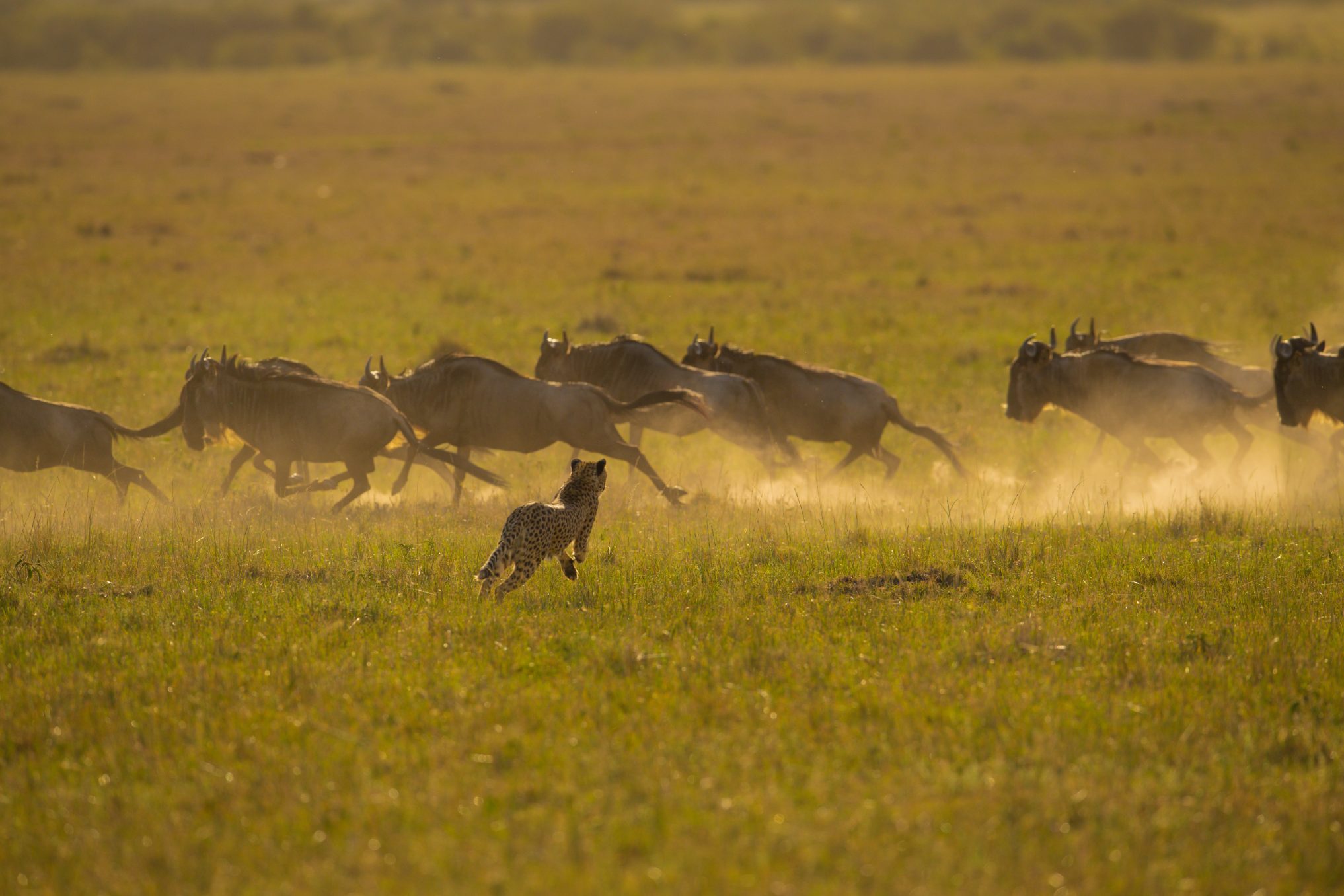
The chase
A cheetah hunt lasts under a minute and most of it is stillness. She sits, and sits, and then the grass moves and it is over. You will not get a photograph. You will remember it anyway.

These moments cannot be arranged and should never be promised. What can be arranged is being in the right country at first light with an unhurried vehicle, which is most of the way there.
The Big Five, and the honest exception
Lion, leopard, elephant and buffalo are all resident in the Mara and all four in three days is normal rather than lucky. Rhino is the exception: black rhino live here, concentrated in the west, but the population is small and a sighting is a bonus, not an itinerary item. Anyone who guarantees you the full five is guessing.

What most people miss
The Big Five take about a day. What fills the rest is smaller and, after the third morning, more interesting: dik-dik freezing in the shade, a bat-eared fox pair at the mouth of a den, lilac-breasted rollers on every third bush, dung beetles working a fresh pile with more purpose than anything else on the plain.
The Mara holds around 95 species of mammal and more than 450 of bird. Ask your guide about the ones nobody photographs and the drive changes character.
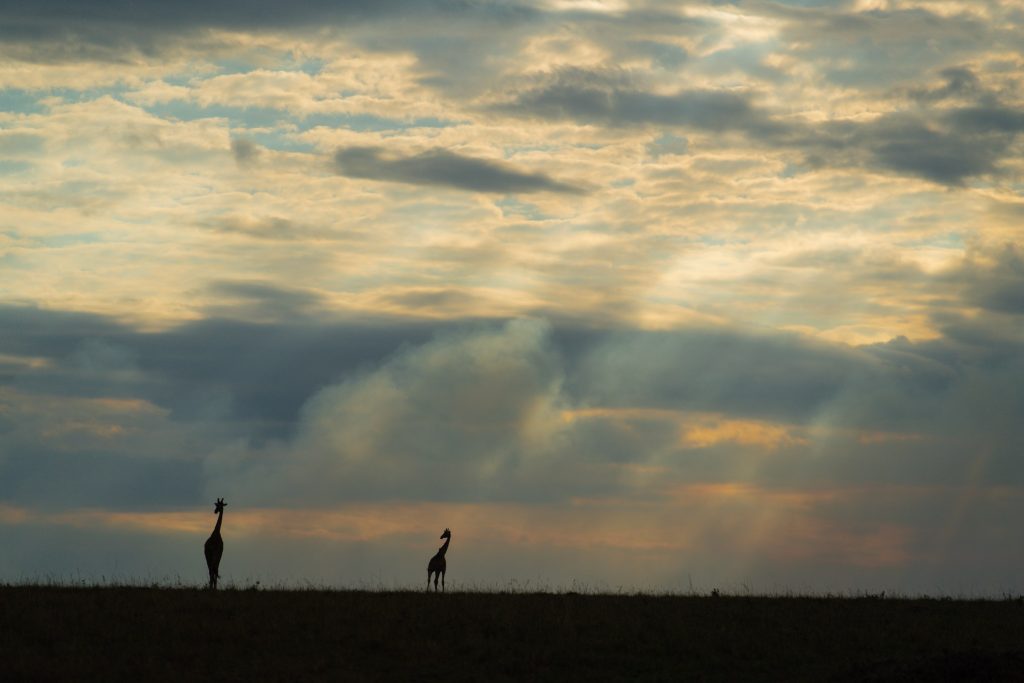
Light
The two hours after sunrise and the hour before dusk are when the animals move and the light is worth having. In between, the cats sleep and the plain goes flat and white. This is why mornings start before six, and why a camp close to the game matters — an hour spent driving to the reserve is an hour of the best light gone.
Evening drives end with the sun going down behind the escarpment and the plain turning gold, then grey, then dark. Somewhere out there, everything that slept through the afternoon is standing up.
What to expect
Some mornings deliver a kill, a crossing, cubs at a den. Some deliver a leopard asleep in a tree for an hour and nothing else at all.
Guests who come back tend to remember the second kind.