The Big Five was a hunters' list. It named the five animals considered most dangerous to shoot on foot, and the safari industry inherited it whole, turning a risk assessment into a checklist.
Somebody then coined the Small Five as a joke on it: five animals that share a name with a member of the Big Five and nothing else. Elephant shrew, buffalo weaver, leopard tortoise, ant lion, rhinoceros beetle.
The joke is better than it looks. Finding all five takes a good guide, a slow morning and a willingness to look at the ground, and between them they explain more about how the Mara actually works than the large five do.
Elephant shrew
Not a shrew, and not related to one. Sengis — the proper name — sit closer on the family tree to elephants, hyraxes and aardvarks than to anything mouse-shaped, which is one of the more satisfying facts in African zoology.
They are small, long-legged, with an extended flexible snout that is in constant motion, and they move in fast, jerky bursts that stop dead.
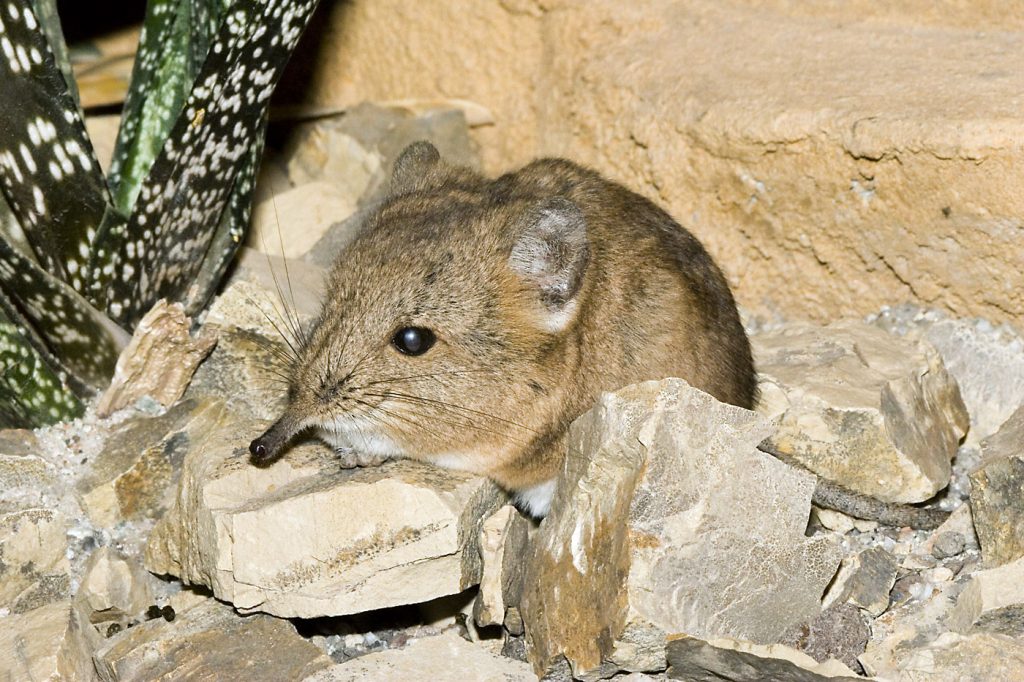
The behaviour worth knowing is the trail system. A sengi clears and maintains a network of paths through leaf litter and grass, and it keeps them scrupulously clear of debris. Those paths are escape routes, and the animal knows them well enough to run them at full speed without looking. Drop a twig across one and the sengi will remove it.
That is a small mammal that has solved the predation problem by memorising a map and maintaining the roads. Watch one for five minutes in riverine forest and you will see it run the same line twice.
They are diurnal, monogamous in several species, and much easier to see on foot than from a vehicle.
Buffalo weaver
The one most people have already seen without registering it. In the Mara you are looking at the white-headed buffalo weaver and the red-billed buffalo weaver — noisy, sociable, and impossible to miss once someone points out the nests.
The nests are the point. Red-billed buffalo weavers build enormous untidy thorn-stick structures in the crown of an acacia, several chambers to a mass, added to year after year until the whole thing is the size of a small car and heavy enough to break a branch.
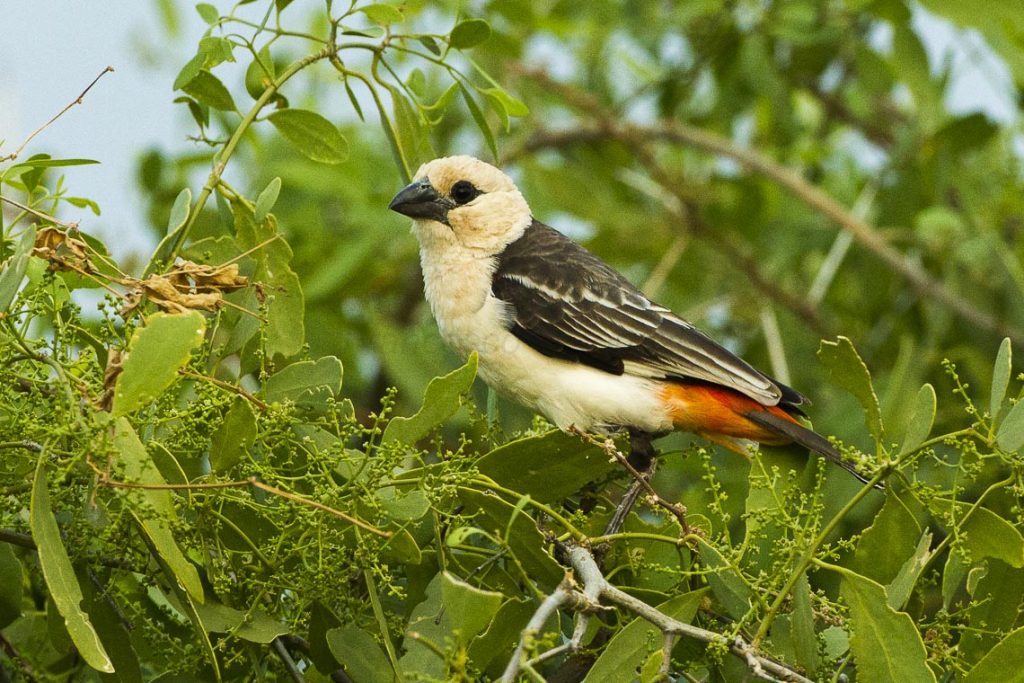
Those masses are apartment blocks for other species. Snakes hunt in them, small raptors take over abandoned chambers, and a range of birds nest in the gaps. A single tree with an established buffalo weaver colony holds more life than the hundred metres around it.
They forage on the ground, often behind grazers, taking insects disturbed by hooves — which is why they are so frequently in the frame when you are photographing something larger.
Leopard tortoise
The largest tortoise in the Mara and the fourth largest in the world, named for the yellow-and-black patterning on a high domed shell.
Two things make it worth stopping for. The first is age: a wild leopard tortoise can live eighty years or more, which means the one crossing the track in front of you may have been doing so before the reserve was gazetted.
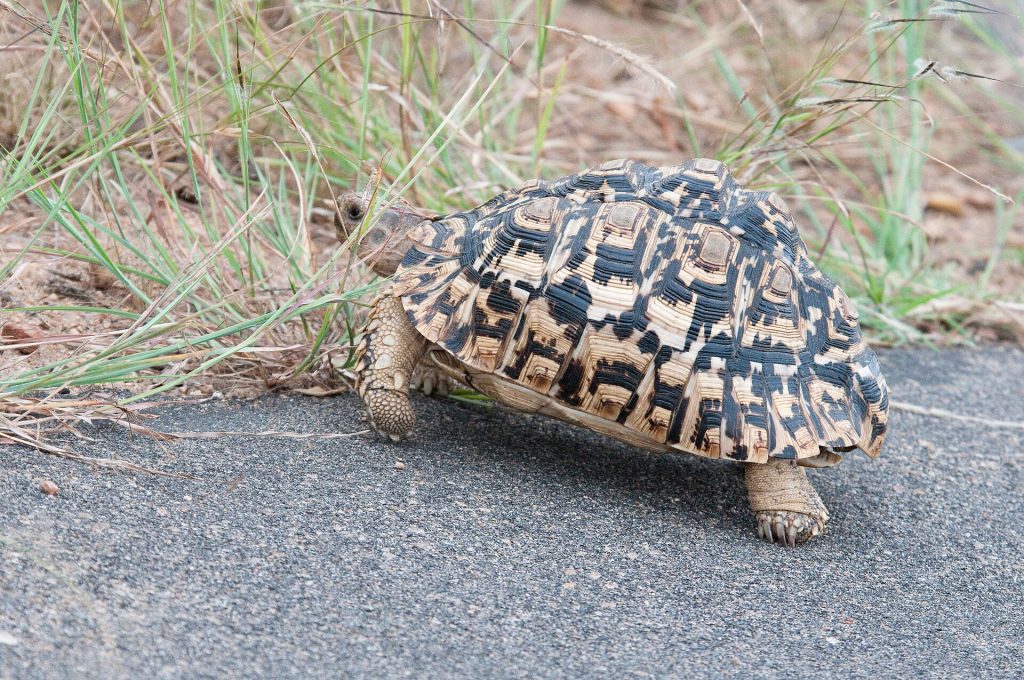
The second is what it does for other species. Leopard tortoises are grazers, and they eat a great deal of dry grass and, crucially, bones and hyena droppings — a behaviour called osteophagy, which supplies the calcium the shell needs. In doing so they move calcium and seed around the system. They are also one of the few tortoises that can swim.
They lay in the ground and the eggs take the better part of a year to hatch, sometimes longer, which is why a species that lives eight decades still has a hard time replacing itself when the ground is ploughed.
Ant lion
The one you will not see, and can find in thirty seconds.
Look for small, perfectly conical pits in fine dry sand — under the eaves of a rock, in the lee of a tree, along the edge of a track. Each pit is a trap dug by the larva of a lacewing, which sits buried at the bottom with only its jaws exposed.
The engineering is the interesting part. The sides of the pit are dug to exactly the angle at which the sand will just hold — the angle of repose. An ant walking over the rim cannot get purchase; the wall collapses under it. If the ant makes progress, the larva flicks sand up from the bottom to bring the slope down again.
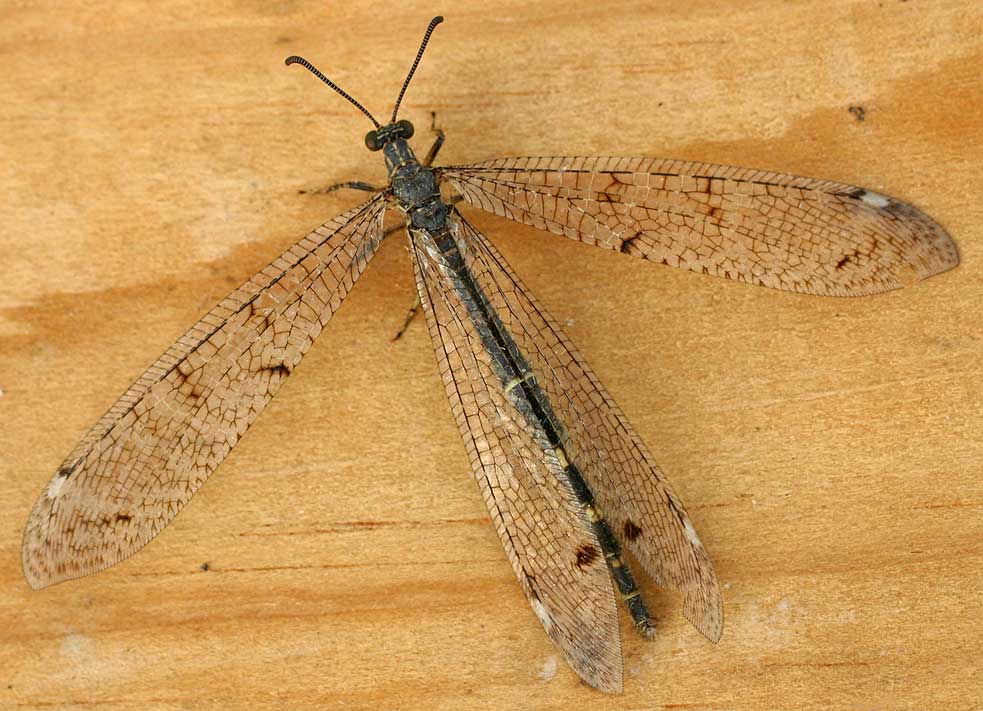
The adult is a delicate, lacewing-like insect that flies at dusk and looks nothing like the animal that dug the hole. Most people who have been on ten safaris have never knowingly seen one.
Ask your guide to find you a pit and drop a grain of sand into it. Something will move.
Rhinoceros beetle
A heavy, armoured scarab, the males carrying a forward-curving horn used to lever rivals off a feeding site or a female. Common in and around riverine forest and often seen at night near a low light.
They are frequently described as the strongest animal on earth for their size, and the usual figure quoted — lifting many hundreds of times their own body weight — comes from laboratory conditions and gets exaggerated in the retelling. What is not exaggerated is that the horn and the mechanics behind it are extraordinary for an animal you can hold in your palm.
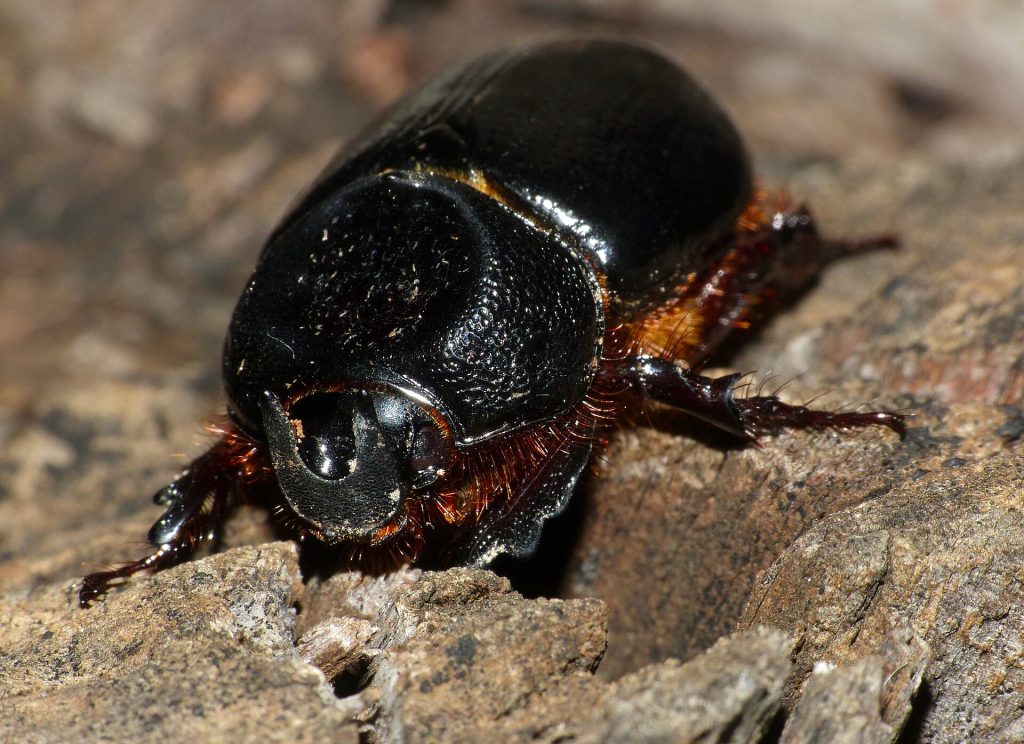
The larvae live in rotting wood and dung, which is where the ecological work happens: breaking down dead timber and returning it to soil. In a system where a single fallen fig can take years to disappear, the beetles are a large part of the reason it does.
Why look for them at all
Three practical reasons.
The first is that it changes the pace of a drive. A morning spent looking for a rhinoceros beetle is a morning spent looking closely, and closely is where the Mara stops being scenery and starts being a system. People who do this come back with better sightings of large animals too, because they have trained themselves to notice movement rather than to scan for shapes.
The second is that it is the best possible activity with children. A leopard sighting is over in four minutes and a child cannot participate in it. An ant lion pit is theirs — they find it, they test it, they understand it completely by the end.
The third is that these five are genuinely important. Sengis maintain the leaf litter. Buffalo weavers house half a tree’s worth of other species. Leopard tortoises move calcium and seed. Ant lions and rhinoceros beetles sit at the bottom of the food web and in the middle of the decomposition cycle. Remove the leopard from the Mara and the Mara continues. Remove the invertebrates and it stops inside a season.
Where and when
Walking is much better than driving for four of the five. Sengis and ant lion pits in particular are close-range, ground-level finds that a vehicle passes at the wrong height and the wrong speed. Walking safaris are permitted in the conservancies bordering the reserve rather than inside it, and a two-hour walk with a Maasai guide will produce more of this list than a week of drives.
Buffalo weaver colonies are visible year-round and are best identified from the vehicle, since the nests are in the canopy.
The green season — November to March — is the productive time for insects, when the rain brings everything out. April and May are wet but the invertebrate life is at its peak.
Take a torch and look at the ground near camp after dark. And ask your guide. Any Maasai guide who grew up here can find you all five; most are never asked, and most enjoy being asked enormously.