The Mara is named after its trees. In Maa, mara means spotted or dappled — the look of the plains from a distance, broken up by scattered dark trees on open grass. The wildlife everybody comes for depends entirely on that scatter: shade, fodder, nesting, ambush cover, and the riverine forest that holds the leopards.
A note on names. What everyone still calls acacia was split in 2011 into two genera, Vachellia and Senegalia, after the name Acacia was retained for the Australian wattles. Guides here will say acacia and so will we, but if you read a field guide and find the Latin has changed, that is why.
Umbrella thorn
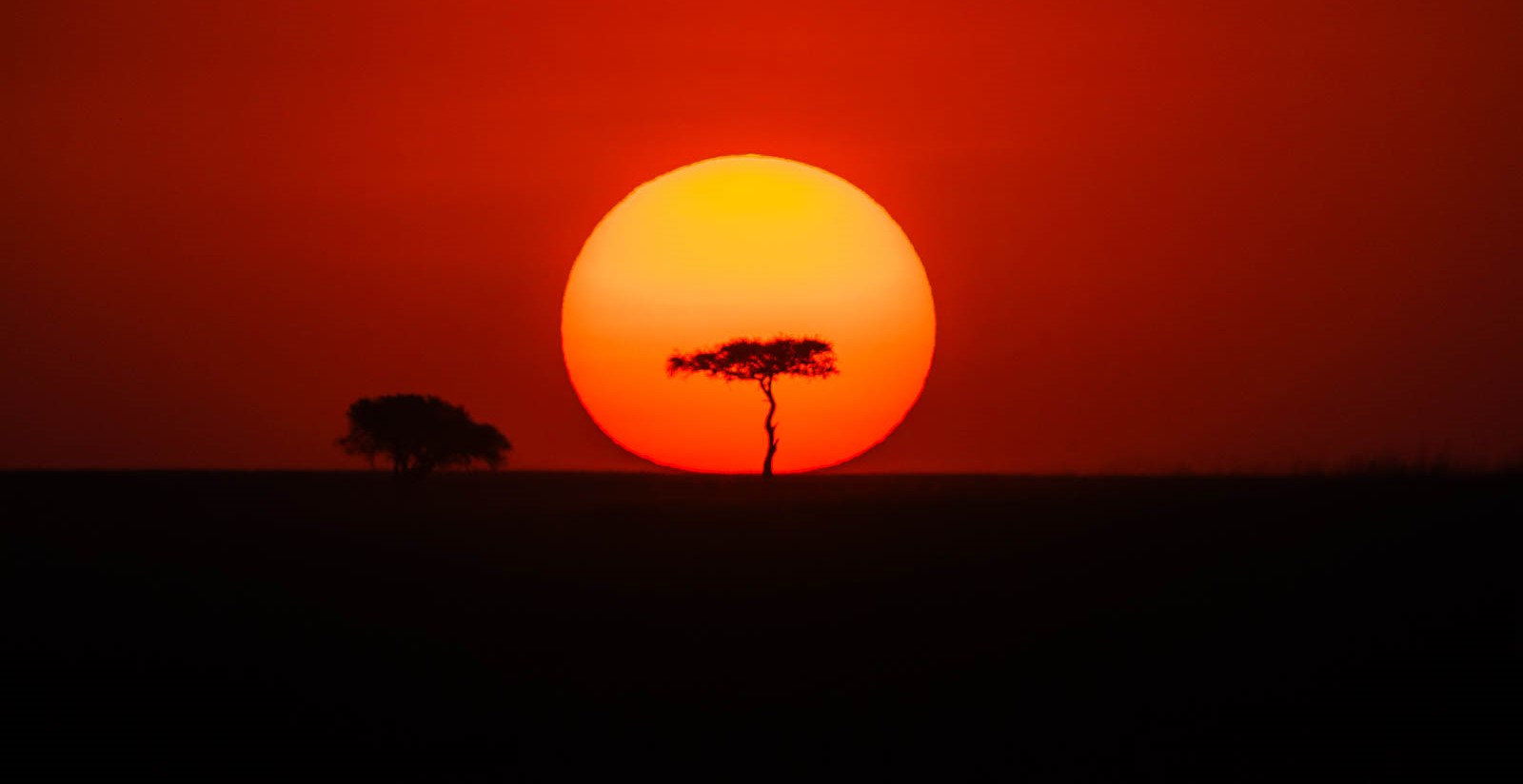
Vachellia tortilis. The tree in every photograph of Africa ever taken — the flat, spreading crown on a bare trunk, silhouetted at sunset. It grows to about twenty metres and survives on very little water.

The canopy is the point. Giraffe browse the top, elephant break into it, and zebra, topi and impala shelter under it through the middle of the day. Its seed pods are eaten by livestock and by people, and the powdered bark is used as a disinfectant.
Whistling thorn
Vachellia drepanolobium, and the most interesting plant on the reserve. It is a shrub or small tree, rarely above six metres, and it covers whole stretches of black cotton soil where nothing else will grow.
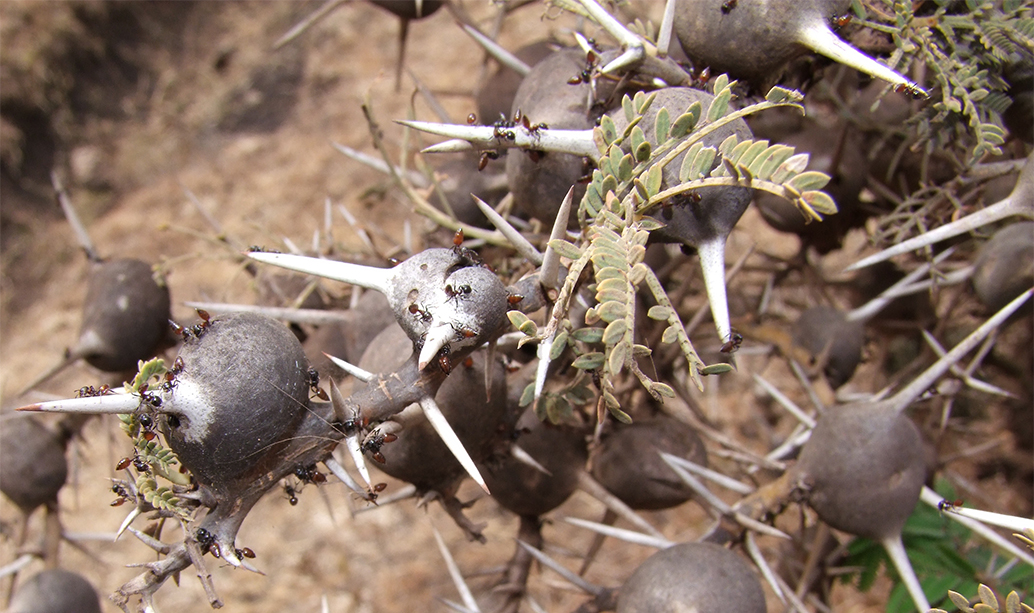
At the base of its thorns it grows hollow swollen galls. Ants live inside them — mostly Crematogaster — and when the wind passes over the entrance holes the whole stand whistles. That sound, across a plain at dusk, is one of the things guests remember without being told to notice it.
The arrangement is a straight trade. The tree provides housing in the galls and nectar from glands at the leaf bases. The ants swarm out and sting anything that starts browsing, which is enough to deter a giraffe. They also prune competing vegetation and fight off rival colonies.
Superb starlings, grey-capped social weavers and grey-headed sparrows nest in these trees deliberately, because the ants deal with snakes and mongoose for them.
Yellow fever tree
Vachellia xanthophloea, and unmistakable: a smooth trunk in powdery yellow-green, which shows bright green if you rub it. Ten to twenty-five metres, always near water.

The name is a mistake that stuck. European settlers noticed that people who camped among these trees caught malaria and blamed the tree. The tree was innocent; it grows in exactly the swampy ground where the mosquitoes breed. There is a second irony — the roots have long been used in traditional treatment for fever.
Giraffe, elephant and monkeys take the pods and leaves. Bees work the flowers. Herons and storks nest in the crowns above water.
Sausage tree
Kigelia africana. Up to twenty metres, with a broad crown, along rivers and on floodplains — and hung with fruit that looks exactly like what the name says.
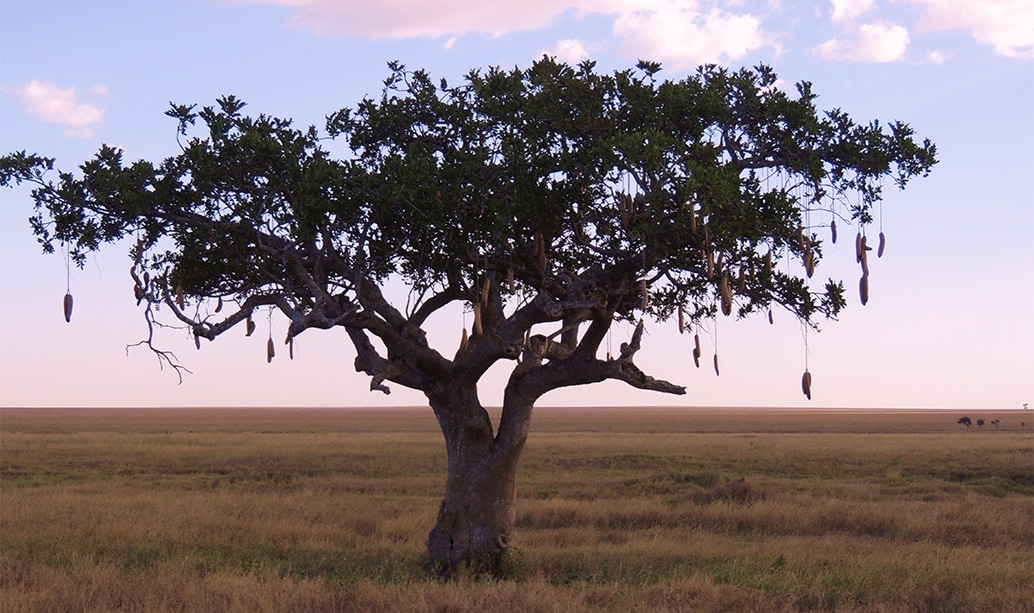
The fruits reach ten kilograms and hang on long cords. Elephant, baboon, hippo, giraffe and bushpig eat them where they fall; hornbills and starlings work them in the tree. They are toxic to people raw, and are roasted, or used in fermenting traditional beer, or made into skin preparations that now appear in commercial cosmetics.
The flowers are deep maroon, open at night, and are pollinated by bats.
Desert date
Balanites aegyptiaca, also called the soapberry tree. Thorny, evergreen, up to twelve metres, and almost indestructible — it holds its leaves through droughts that strip everything around it.

That is what makes it matter. When the dry season is at its worst and the grass is gone, the desert date is still carrying yellowish fruit, and elephant, antelope and birds are still feeding on it. Its seeds yield an oil used for cooking, medicine and soap, which is where the other name comes from, and its leaves and bark have been used here for far longer than any of us have.
Croton
Croton dichogamus forms the low grey-green thicket that covers whole hillsides in the Mara; Croton megalocarpus is the larger tree of the forest edges, reaching twenty-five metres. Both tolerate poor soil and drought.

The thicket is more important than it looks. It is where leopard lie up, where dik-dik live entirely, and where cheetah are safest with small cubs. It is also increasingly harvested for biofuel seed, which is a real income for communities on the reserve edge.
The forest along the river
The Mara and Talek rivers hold a strip of tall evergreen forest — fig, diospyros, warburgia — that behaves nothing like the plain fifty metres away. It stays cool, it stays green through the dry season, and it is where a disproportionate amount of the wildlife actually lives.
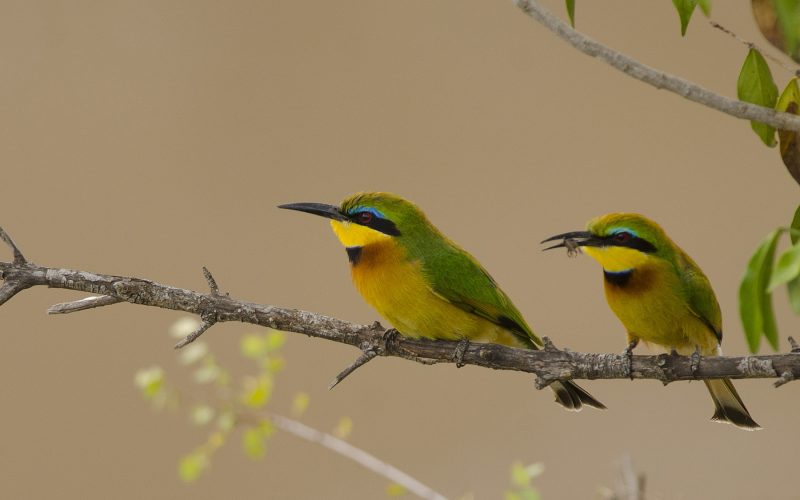
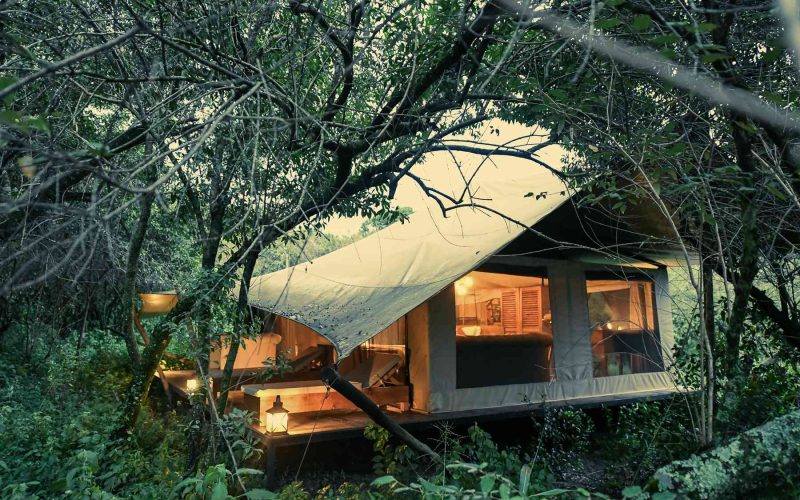
Ilora sits inside that forest, which is why the camp is ten degrees cooler than the grassland at noon and why the birding starts before you leave your tent.
Worth looking up
It is easy to spend four days here watching only animals. Ask a guide about the trees for twenty minutes and the plain reorganises itself: you start seeing why a herd is standing where it is standing, why the leopard chose that particular branch, and why one hillside is thicket and the next is open grass.