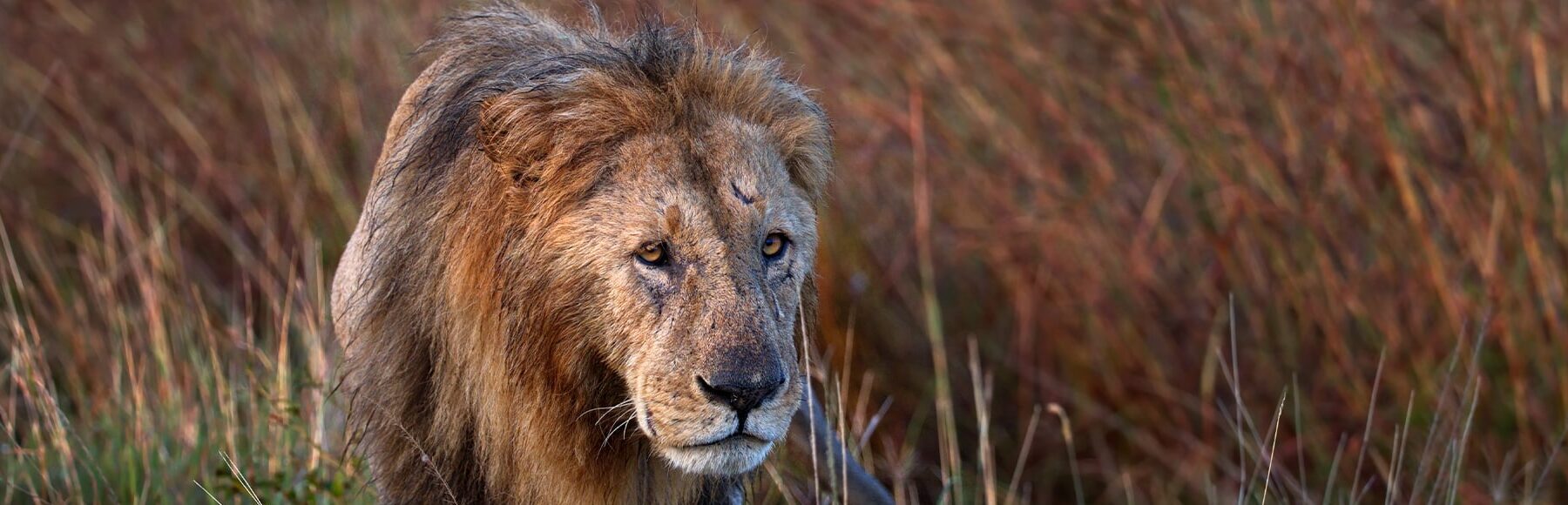
Somewhere between twenty and twenty-five thousand lion remain in Africa, down from around two hundred thousand a century ago. One of them became famous enough that people flew here specifically to see him.
The scar
He was born in the Masai Mara in 2007 and named for the obvious reason: a deep wound across his right eye, taken in a territorial fight in his prime, which never healed cleanly and left the eye clouded and the socket sunken.
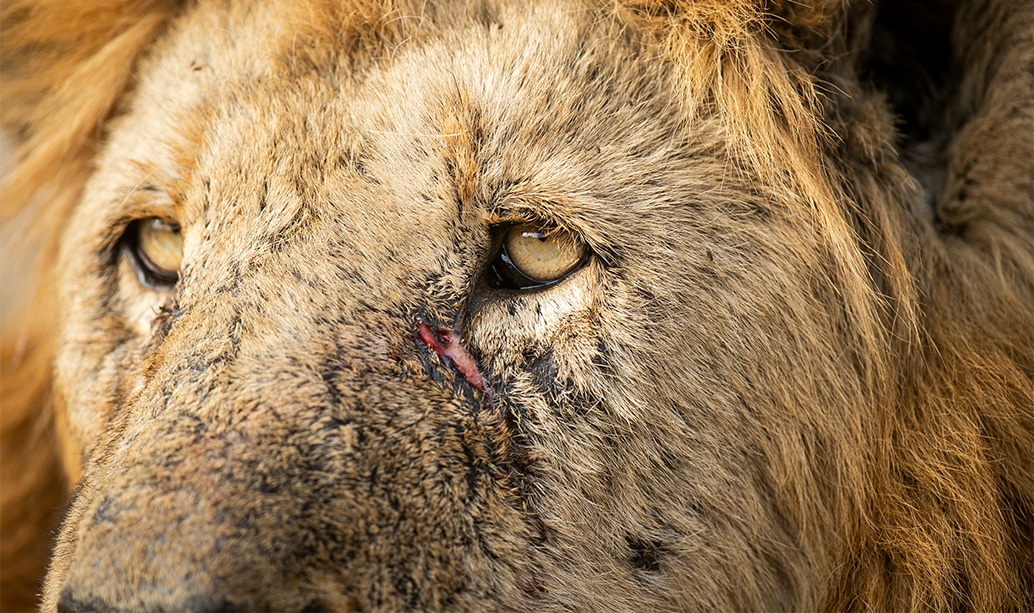
Guides could identify him from two hundred metres. So could anyone who had seen a photograph, which by the end was a great many people.
He grew into a large male — somewhere around 180 kilograms with a dark, heavy mane, which in lions signals both age and condition. He held territory along the Mara River for the better part of a decade.
The Musketeers
He did not do it alone. Scarface ran with three other males — Morani, Sikio and Hunter — in a coalition guides called the Four Musketeers, and four males holding ground together is close to unbeatable. They controlled the Marsh pride and a stretch of river for years.
The BBC’s Big Cat Diary filmed them, and that is where the fame came from. Later appearances followed on Discovery’s Big Cat Week, in the BBC’s Lions: Spy in the Den, and in a documentary devoted to him alone.
Hunter died in 2017. Sikio died after a fight with rival males. That left two.
The end
Scarface died on 11 June 2021, aged fourteen. Wild male lions rarely reach ten. Most are killed by younger males taking their territory, or by injury, or by hyena once they can no longer defend a kill.
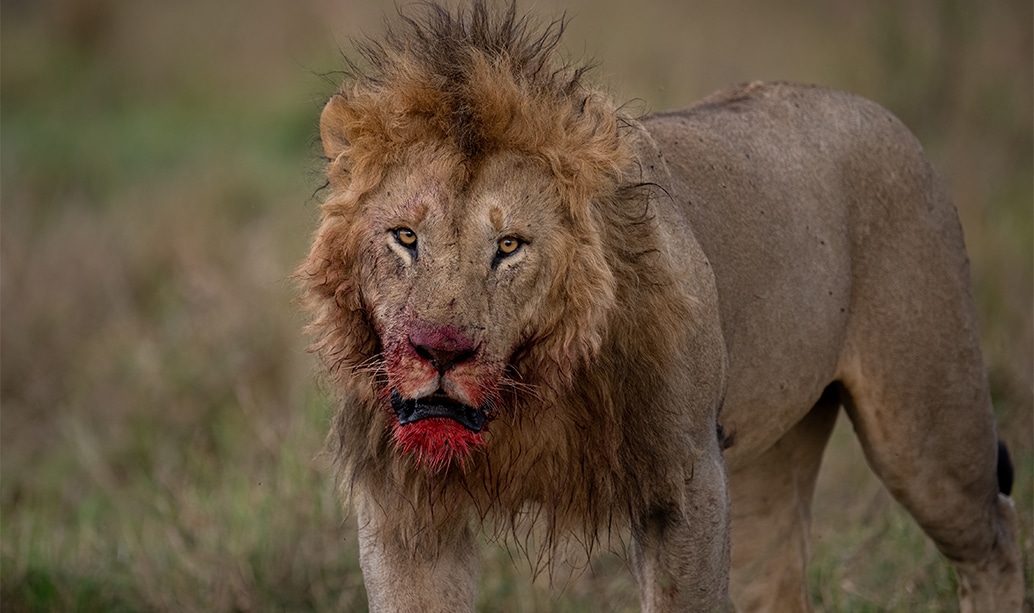
He died of old age, in his own territory, undisturbed, which is close to unheard of for a male lion. Morani, the last of the four, disappeared two years later and was never found.
One thing worth correcting, because it is repeated constantly online: Scarface did not kill four hundred hyenas. That figure appears in no research and no film. He was a large, successful male who lived a long time, and that is remarkable enough without inventing arithmetic for it.
Others
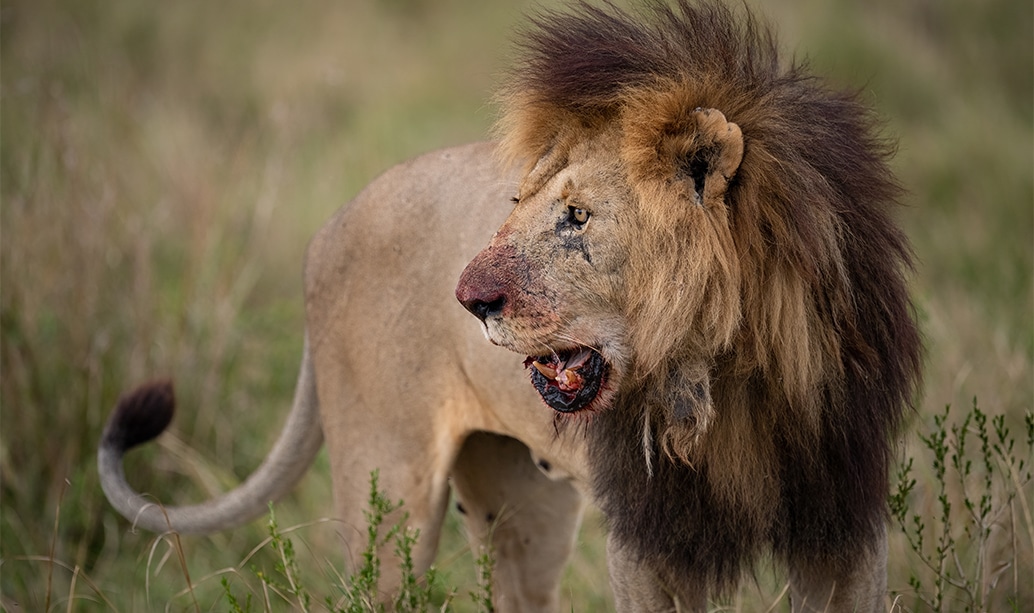
Elsa, raised by George and Joy Adamson and returned to the wild in the 1950s, became Born Free and did more to change how people thought about lions than any documentary since.
Notch, who held the Mara with his sons through the 2000s and was filmed extensively across that decade.
Cecil, of Hwange in Zimbabwe, lured out of the park and shot by an American trophy hunter in 2015. The outcry that followed changed several countries’ import rules on lion trophies, which is a strange kind of legacy.
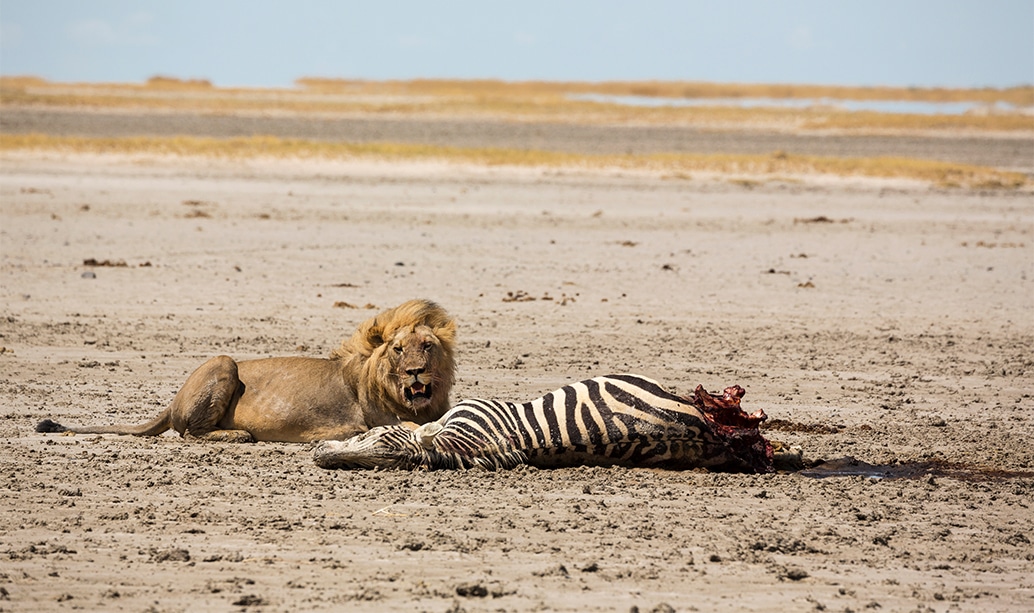
The Tsavo man-eaters, two males that killed railway workers in 1898. Colonel Patterson claimed 135 deaths; chemical analysis of the preserved skins a century later put the likely figure closer to thirty-five. Man-eating in lions is rare and usually traces back to injury, or to people being pushed into lion country.
What he was actually for
Scarface mattered because a face people recognised turned an abstraction into an animal. Lion numbers have fallen by roughly half in twenty-five years, and most people cannot picture what that means. They could picture him.

His descendants are still on this ground. Ask your guide — they can usually point out which young males carry his line.